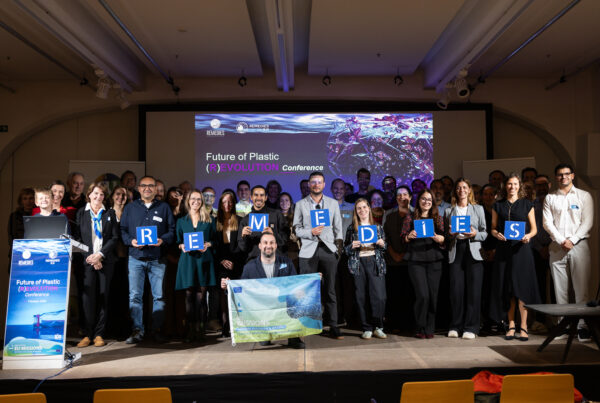

On 6 May 2026, the 5th REMEDIES Policy Workshop took place in Athens, Greece, bringing together experts, researchers, entrepreneurs, civil society actors, public representatives, and innovation ecosystem stakeholders to explore how community-led ocean restoration practices can move from local action to systemic change.
Titled “From local action to systemic change: Community-based initiatives and perspectives for ocean resilience,”the workshop focused on the enabling conditions needed for successful replication and scaling of locally rooted restoration practices across regions. The discussion placed particular emphasis on the financial, technical, institutional, and social resources required to sustain community action over time, including access to funding, skills development, supportive governance frameworks, and cross-community collaboration.
The workshop was moderated by Impact Hub Athens and followed a focused agenda.
The 5th Policy Workshop at a glance
The opening presentations framed the discussion within the wider Mission Ocean and REMEDIES ecosystem. Milica Velimirović presented the REMEDIES Green Paper, highlighting key policy directions and knowledge emerging from the project. Andriani Galani, Senior Researcher at NTUA, presented NURISH, while George Triantafillidis from HCMR introduced the work of TASC-RestoreMED, connecting the workshop to broader Mediterranean restoration efforts.
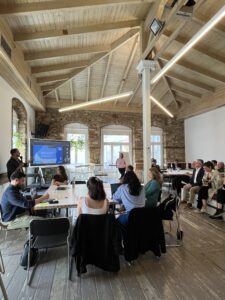
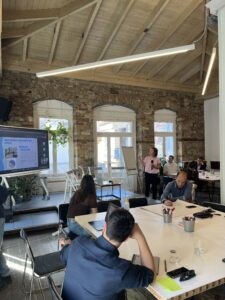
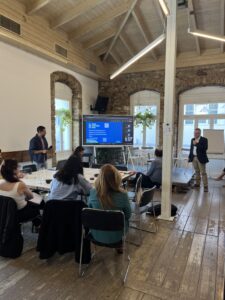
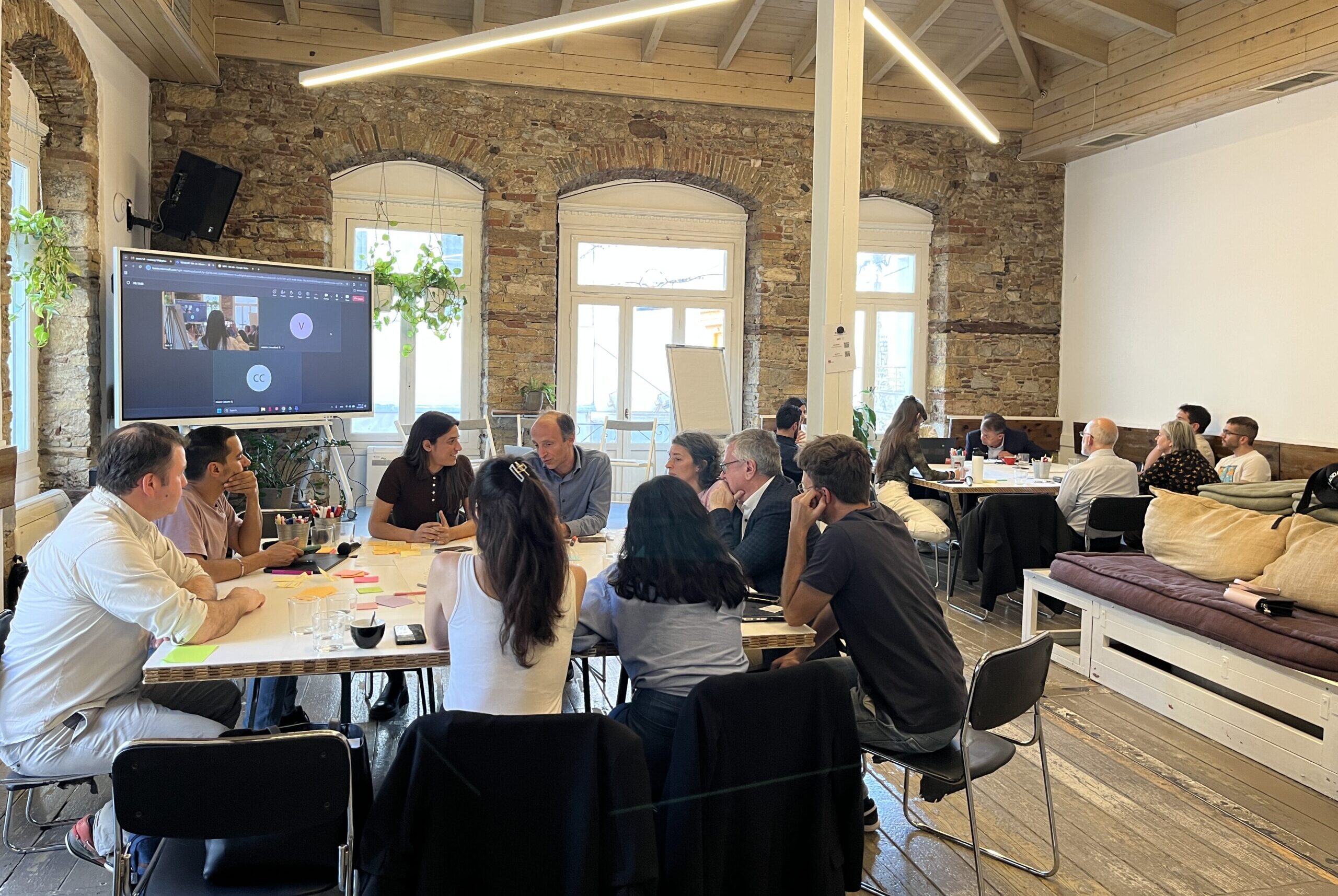
The core of the workshop was structured around two roundtable discussions. Participants examined how locally successful, community-led ocean restoration practices can become scalable and replication-ready, while maintaining equity, transparency, and measurable impact. The discussion explored the governance and funding mechanisms needed to support cross-regional transfer, the indicators policymakers should monitor, and the barriers that still limit replication, including financial, technical, social, and regulatory constraints.
A second discussion focused on participatory governance and citizen engagement. Participants reflected on how community-based monitoring and citizen science can be better embedded in official data systems, indicators, and reporting frameworks at EU and national levels. The exchange underlined the importance of connecting lived community experience with institutional decision-making, so that local knowledge can inform more legitimate, transparent, and evidence-based ocean restoration policies.
The roundtables brought together representatives from Sporos, HCMR, refeelme, ATLANTIS Consulting, REMEDIES, the Technical University of Crete, Orange Grove, NTUA, NKUA, Urban Dig, CLIMAZUL, and other relevant public and ecosystem actors. Their contributions helped surface practical insights on what communities need in order to sustain restoration work, collaborate across territories, and engage more effectively with policy and funding systems.
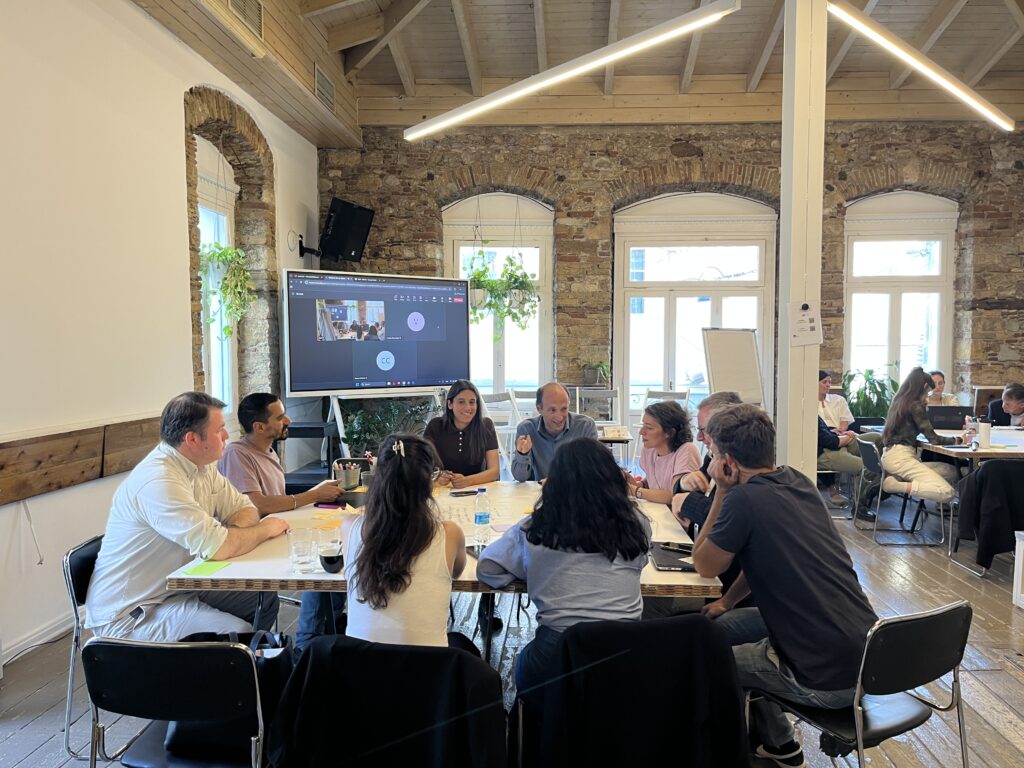
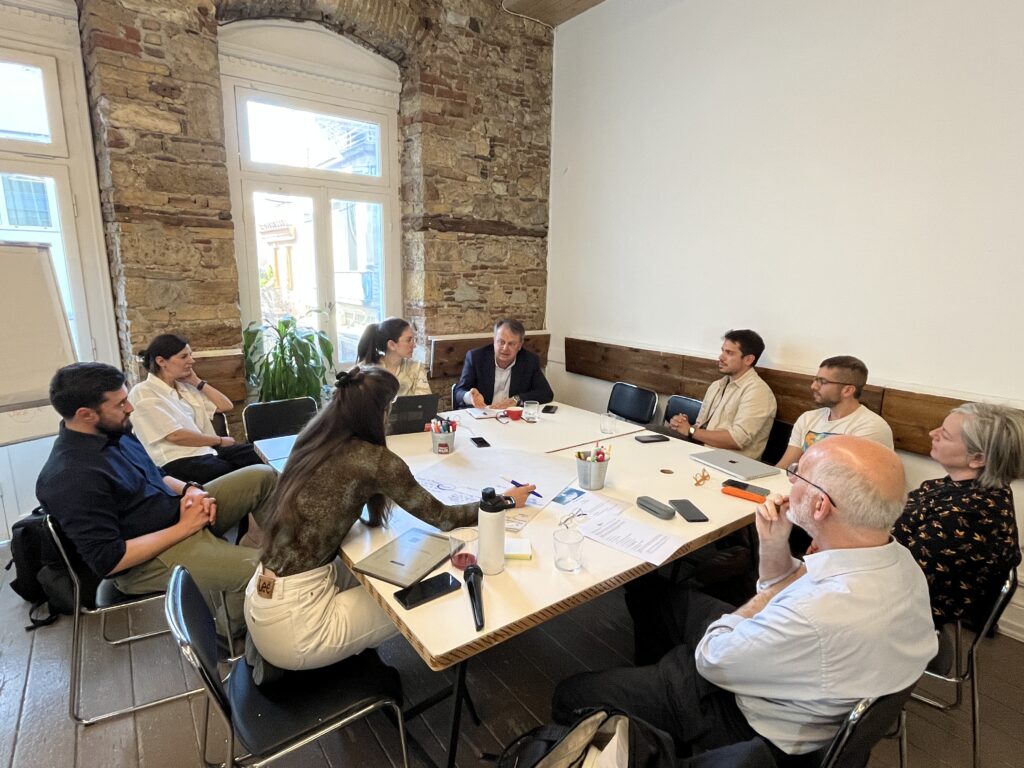
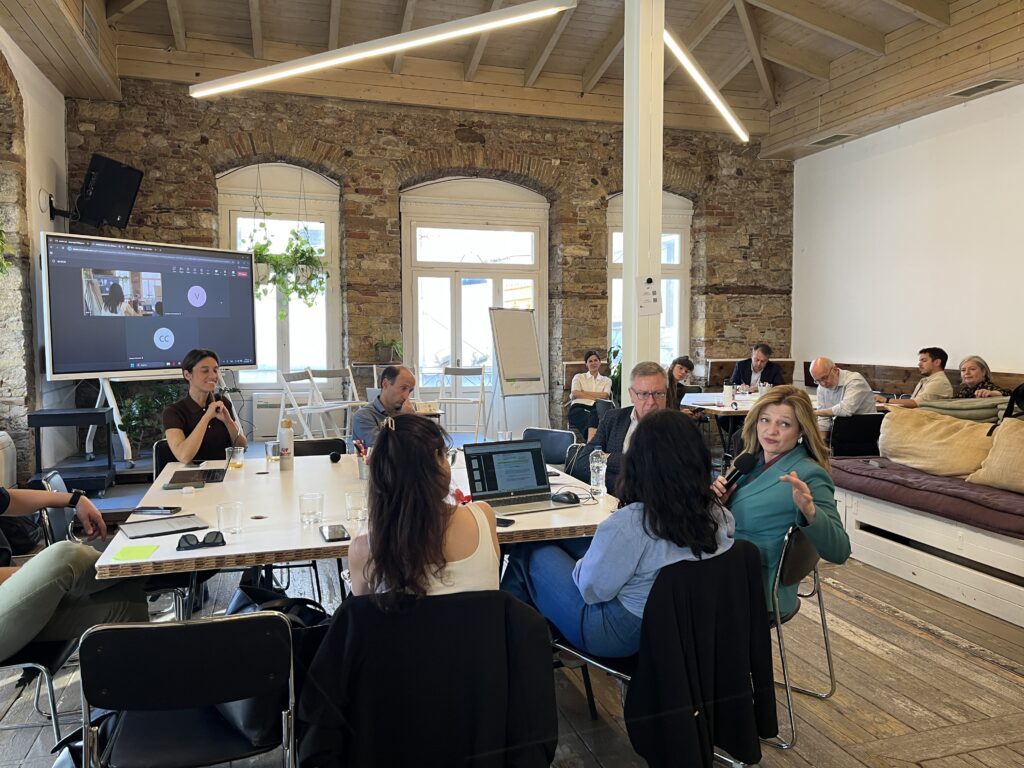
A key outcome of the workshop was the recognition that community-based initiatives are not only local experiments, but valuable sources of policy learning. Participants stressed that scaling ocean restoration requires more than transferring a practice from one place to another. It requires adaptation to local realities, long-term support structures, trusted intermediaries, accessible funding pathways, and mechanisms that allow citizens, researchers, entrepreneurs, and public authorities to work together.
The results of the roundtable discussions will be harvested and translated into policy recommendations for relevant decision-making bodies, project partners, and actors in the innovation ecosystem in Greece and across the European Union. Through this process, the workshop contributes to the broader REMEDIES objective of connecting community action, innovation, and policy for the prevention and reduction of ocean pollution.
By creating space for dialogue between local initiatives and institutional actors, the 5th REMEDIES Policy Workshop reinforced the role of participatory approaches in building ocean resilience. It showed that sustainable restoration depends not only on technical solutions, but also on governance models, community ownership, and shared commitment to long-term environmental and social impact.