
Community-based plastic valorisation on the island of Santorini
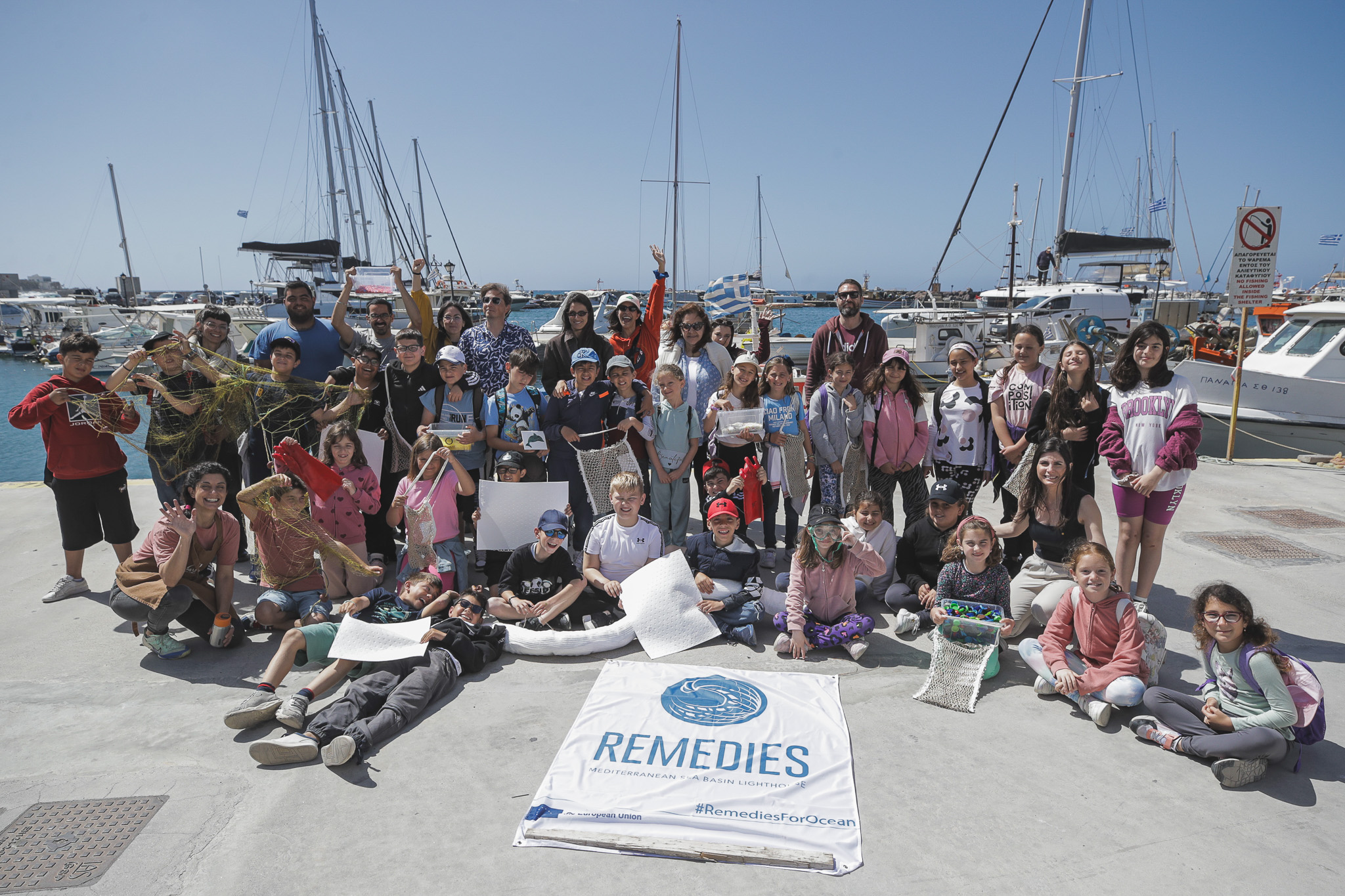
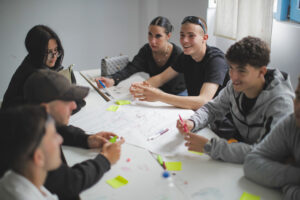
The main activity of the four-day Santorini Blue Loop Living Lab programme was the official kick-off of the REMEDIES Plastic Lab at the Cyclades Demo Site in Santorini. Hosted at the Vlychada Fishing Shelter from 14 to 17 May, the Plastic Lab operated as a hands-on plastic valorisation workshop, bringing together the local community, schools, visitors, fishermen, and invited guests to explore how plastic waste collected from the local environment can be transformed into learning, creativity, and circular action.
The Living Lab brings together education, environmental action, innovation, local stakeholders, professionals, schools, and residents around the shared goal of a more sustainable and resilient island. Its objectives include reducing marine pollution, promoting circular economy practices, and supporting sustainable practices in Santorini and the wider Aegean context.
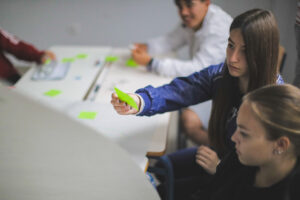
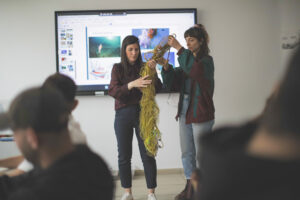
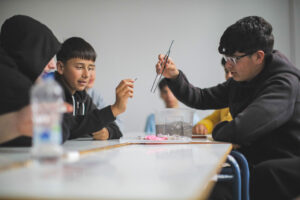
At the heart of this process, the REMEDIES Plastic Lab created a tangible space where marine litter was not treated only as waste, but as a material for awareness, experimentation, and community engagement. Through upcycling workshops, material education, and participatory activities, participants explored different types of plastic, their environmental impacts, and the ways in which discarded materials can be repurposed into new objects and narratives.
Key Activities
Kick-off of the REMEDIES Plastic Lab
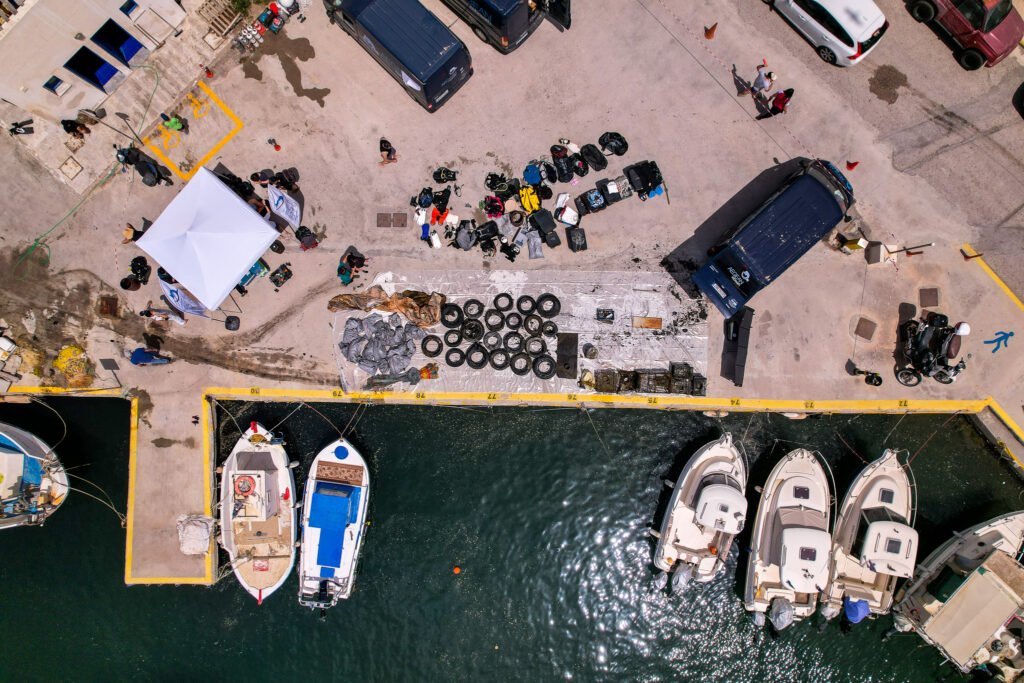
The Plastic Lab functioned as an open and practical plastic valorisation workshop, where participants could understand, sort, process, and creatively reuse plastic waste collected from the local environment. It was developed and implemented in collaboration with SYN FAB LAB, whose expertise in fabrication, making, and creative reuse strengthened the practical and educational dimension of the workshops.
Together, the partners created an open setting where participants could engage directly with plastic waste as a material, while also exploring how design, making, and local innovation can support sustainability transitions. Alongside the school programme, the Plastic Lab was open to broader public participation during the weekend activities. Children, adults, residents, and visitors were invited to take part in upcycling workshops, using collected plastic materials to create new useful or symbolic objects.
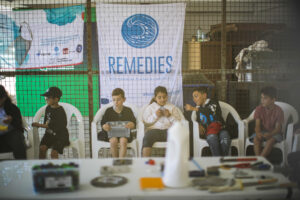
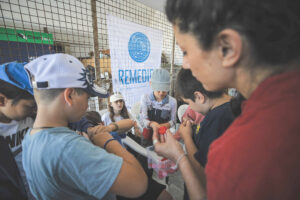
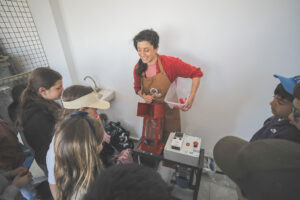
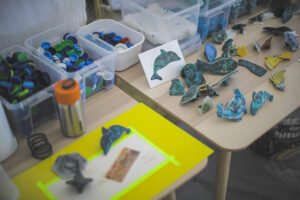
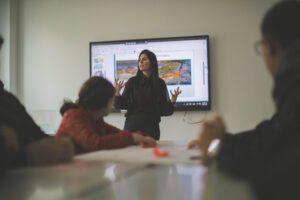
Over the course of the four days, the Plastic Lab also welcomed a special visiting group of technical students from Florida, who joined the activities as part of a case study visit from the United States to Santorini. Their participation added an international learning dimension to the programme, connecting local environmental action with broader educational exchange, technical learning, and applied sustainability practice.
Beach Clean-up with the Young Sailing Athletes of the Nautical Club of Santorini
On 16 May, the programme continued with beach clean-up activities at the Vlychada Fishing Shelter. The clean-up was implemented with the participation of the young sailing athletes of the Nautical Club of Santorini, connecting marine protection with youth engagement, local sport communities, and direct action on coastal pollution.
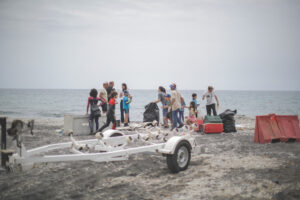
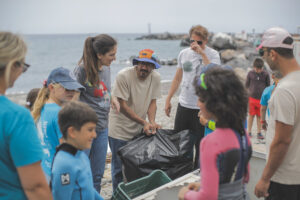
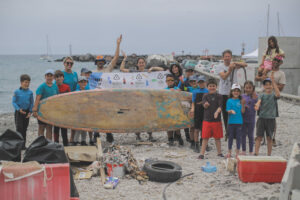
Participants collected 62 kilos of plastic and 20 kilos of mixed waste, from the coastal area and then engaged with the Plastic Lab process, experiencing the full cycle from collection to sorting, reflection, and creative reuse.
Collaboration with Local Fishermen
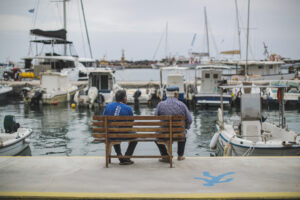
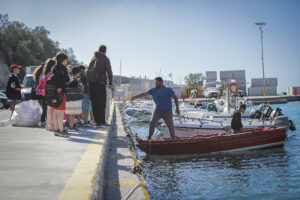
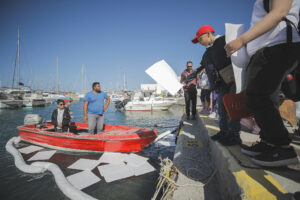
During the presence of the partners at the Vlychada Fishing Shelter, collaboration with local fishermen opened an important discussion around marine litter, its sources, its impacts on the fishing community, and the practical considerations connected to collection, handling, and prevention. These exchanges helped connect the Plastic Lab with the everyday realities of those working at sea, strengthening the link between environmental awareness, local knowledge, and future action.
Seabed Clean-up with Aegean Rebreath
In parallel, a seabed clean-up was implemented in collaboration with Aegean Rebreath, with the participation of 20 divers. This underwater action complemented the coastal and land-based activities of the Living Lab, highlighting the scale and complexity of marine litter and the need for coordinated interventions across the shoreline, the port area, and the seabed.
Screening of “Ocean with David Attenborough”
In view of the Santorini Blue Loop Living Lab we conducted a collaboration with the Cyclades Preservation Fund for the screening of “Ocean with David Attenborough”, within the framework of the Revive Our Ocean Greece initiative coordinated by the Cyclades Preservation Fund in Greece.
The screening added a broader ocean protection perspective to the programme, connecting the local Santorini activities with global conversations on marine ecosystem restoration and the urgent need to revive ocean health.
REMEDIES Artistic Residency and Mural: Craft the Future Workshop
As part of the wider creative and awareness-raising dimension of the Living Lab, the collaboration with artist Taxis has also started for the development of the mural and the artistic residency connected to the “Craft the Future” workshop.
Santorini Blue Loop Living Lab by PHAROS
The REMEDIES Plastic Lab forms part of a broader set of actions under the Santorini Blue Loop Living Lab, a long-term process that supports the island’s transition towards reduced marine pollution, stronger circular economy practices, and deeper collaboration between local actors. Within this framework, the Plastic Lab plays a distinct role by creating an immediate and visible connection between marine litter, education, behavioural change, and local innovation.
The activities were co-organised by Impact Hub Athens, Aegean Rebreath, the Municipality of Thira, the Thira Municipal Port Fund, SYN FAB LAB, and the Blue Municipalities Network, in close connection with the PHAROS project and the kick-off of the Santorini Blue Loop Living Lab. Under the Living Lab umbrella, PHAROS supports the broader framework for collaboration and entrepreneurship around marine pollution reduction, while REMEDIES focuses on participatory action and the valorisation of plastic waste.
By combining plastic collection, material education, upcycling, seabed and beach clean-up actions, collaboration with fishermen, school engagement, artistic practice, and international learning exchange, the REMEDIES Plastic Lab shows how environmental challenges can become opportunities for community learning and action.
In Santorini, this first four-day activation marked a concrete starting point for a local community that not only understands the problem of plastic pollution, but actively participates in shaping solutions.