

The Zaragoza Demo Site in Spain focuses on Collection and Valorisation, Prevention and Zero Waste, and the reduction of beach litter, microplastics, plastic leakage, and unsustainable consumption patterns. Located in the Aragón Region, Zaragoza is a strategic logistics and industrial hub connected to Madrid, Barcelona, Bilbao, and Toulouse, and closely linked to the Ebro River, one of the main pathways through which plastic and microplastic pollution can reach the Mediterranean Sea. Through REMEDIES, Zaragoza is positioned as a flagship city for advancing the ambition of Zero Pollution to the Mediterranean Sea by 2030.
Watch a visual introduction to the site:
Led by AITIIP, and connected with Zaragoza City Hall and the Aragonian Government through Aragón Circular, the Demo Site works on practical solutions that combine technological innovation, circular economy, citizen engagement, and sustainable consumption. Its activities include the development and testing of zero-waste supply-chain solutions, reusable cups and bottles, and zero-waste cosmetic solutions. The site also works with local shops, facilities, students, citizens, and innovation actors to prevent plastic leakage and support behavioural change.
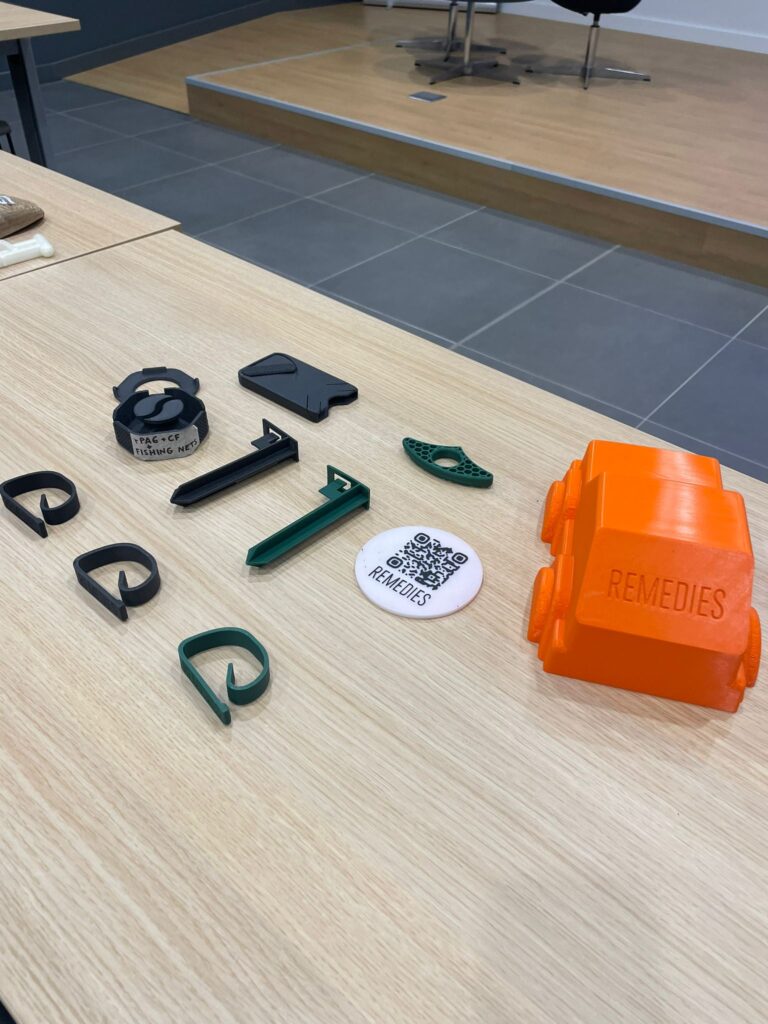
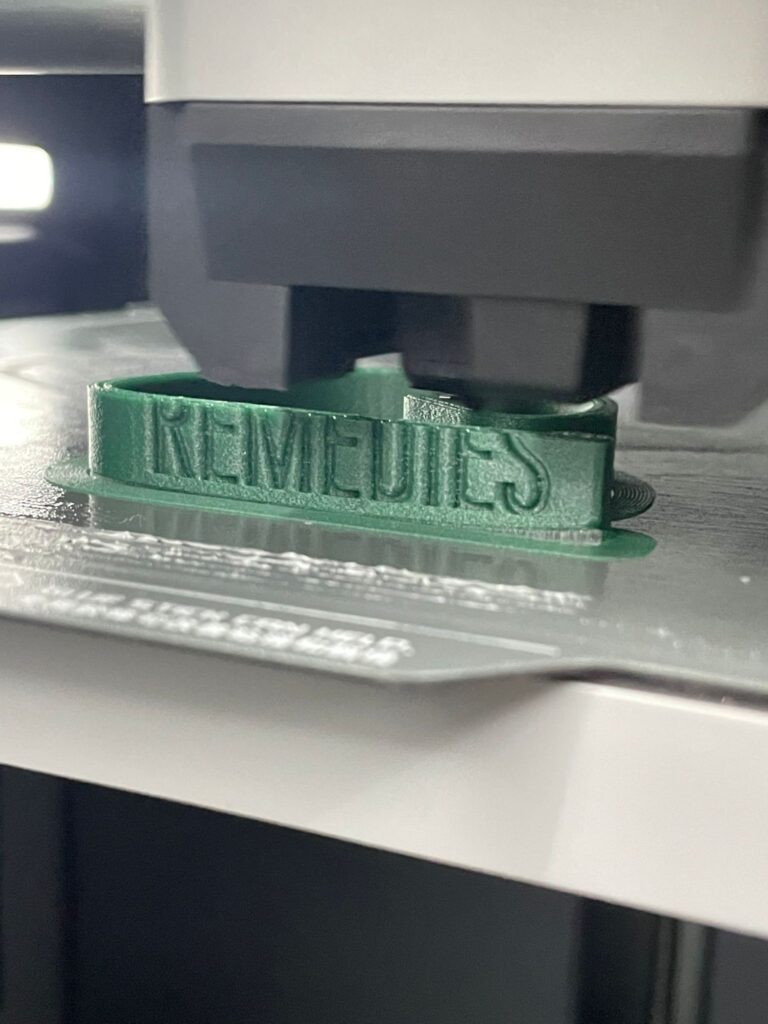
Education and local capacity building are an important part of the Zaragoza Demo Site. In April and May 2024, AITIIP organised 3D printing training sessions for students, introducing participants to the REMEDIES project and to the role of advanced manufacturing in circular innovation. On 12 April 2024, Slovenian students joined an IPPT-TWINN training session, while on 2 May 2024, 80 students from Spain visited AITIIP’s facilities and explored how innovation can support plastic pollution reduction. AITIIP later welcomed 30 students from CESTE Business School, combining a guided visit of the centre with a lecture on how REMEDIES addresses marine litter and contributes to a circular, zero-waste economy.
The Demo Site also strengthened its public outreach through AITIIP’s Anti-Litter Campaign in Spain, which ran during September and October 2025. The campaign presented Zaragoza as a hub for innovation and collaboration in the transition towards a cleaner future, combining communication, education, stakeholder engagement, and practical environmental action. A key moment was the “Remedies for the Future: Workshop for Entrepreneurs”, organised at CESTE Business School on 24 October 2025, where students and young entrepreneurs were introduced to REMEDIES’ vision and explored opportunities for innovation against plastic pollution.
The workshop concluded with a hands-on waste collection activity at the Zaragoza Canal and is also presented in the Zaragoza workshop video.
This focus on entrepreneurship continued through the AITIIP workshop with business students in Zaragoza. Participants learned about the REMEDIES mission, joined a plastic clean-up along the Zaragoza canal, and took part in a creativity challenge to propose new ways of repurposing collected plastic. This activity connected environmental awareness with business thinking, showing how future entrepreneurs can turn plastic waste challenges into circular economy opportunities.
Zaragoza is also closely linked to key REMEDIES innovations. One of them is PLUG-AND-PLAY 2 ZERO-WASTE, a mobile cleaning infrastructure for reusable systems, combined with bio-based cups, glass bottles, and a dedicated application. The solution is designed to replace single-use plastic items at festivals, tourism destinations, and large public events by making reuse practical and scalable. AITIIP contributes as a technical partner for injection moulding, supporting the production of reusable alternatives, while the solution is also presented through the bio-based cups video.
The Demo Site further connects with REMEDIES work on fishing nets made with biodegradable polymers. This solution aims to reduce long-term marine pollution, ghost fishing, and microplastic generation by developing alternatives to conventional plastic-based fishing gear. CNRcontributes to formulation improvement, supporting the development of materials that remain functional during use but are designed to degrade under industrial composting conditions.
Zaragoza’s contribution to sustainable alternatives was also reflected at SETAC Europe 2025 in Vienna, where REMEDIES partners presented research on reusable bio-based cups as alternatives to single-use polypropylene cups at large-scale music festivals. The work, developed with contributions from the University of Maribor (UM), VITO, Alchemia-nova Greece, BIO-MI, and AITIIP, showed the potential of reusable bio-based systems to significantly reduce environmental impacts when compared with single-use plastic solutions.
Overall, the Zaragoza Demo Site demonstrates how an inland city connected to a major river system can play an active role in preventing plastic pollution before it reaches the sea. Through student engagement, entrepreneurship workshops, clean-up actions, technology testing, bio-based alternatives, and microplastic leakage prevention, Zaragoza contributes to the REMEDIES mission by showing how cities, research centres, businesses, and citizens can work together towards a circular and zero-waste future.