

From Seeing the Unseen to Taking Action: The Future of Plastic (R)evolution in Ljubljana
REMEDIES Final Conference and 10th Cluster Meeting | 7 October 2026 | Center Rog, Ljubljana, Slovenia
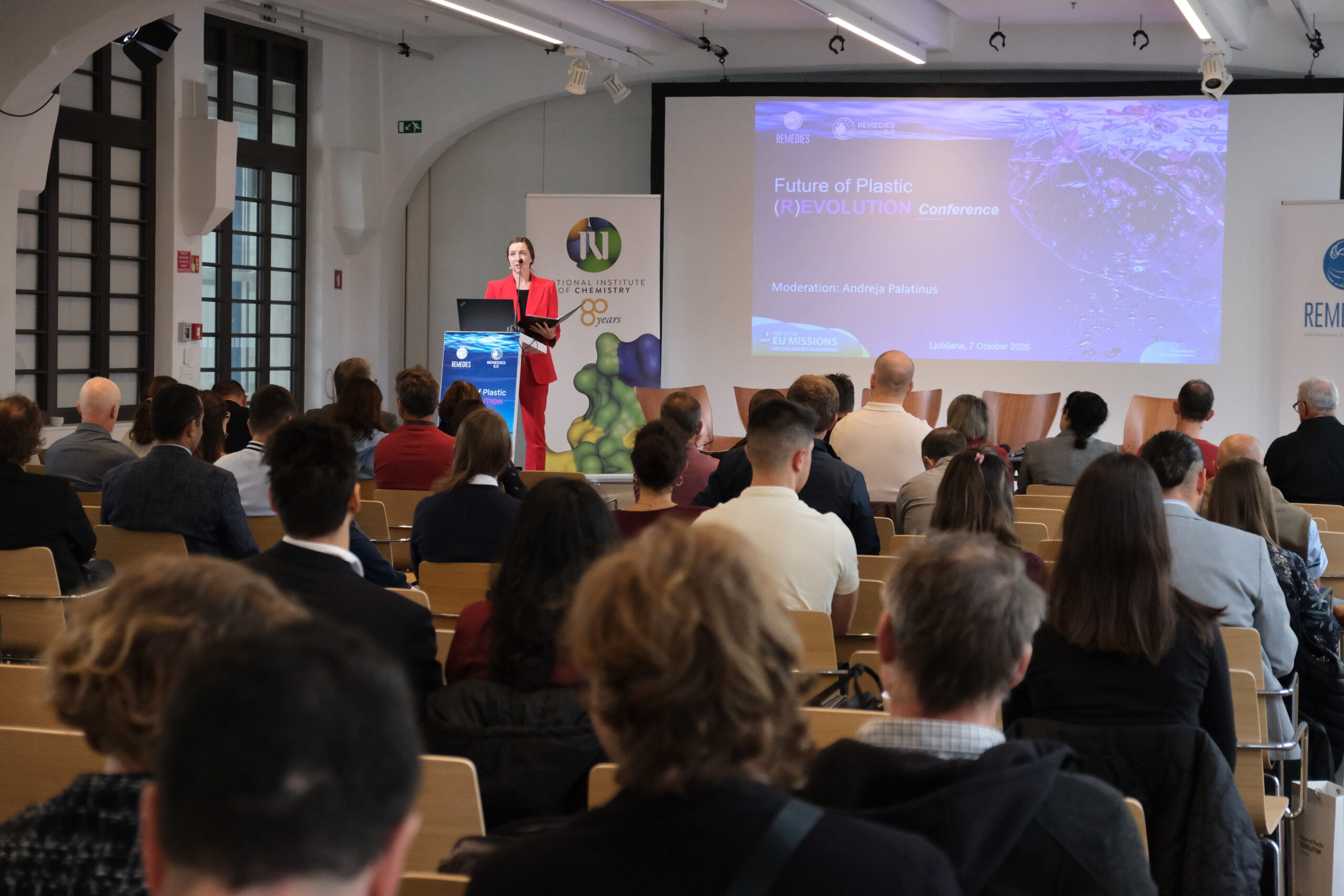
What will it take to turn a growing understanding of plastic pollution into practical action? That question connected researchers, policymakers, technology developers, public authorities and civil society at the Future of Plastic (R)evolution conference, held on 7 October 2026 at Center Rog in Ljubljana. Bringing together the final REMEDIES conference and the project’s 10th Cluster Meeting, the event looked both backwards, at the evidence and solutions developed over the project’s lifetime, and forwards, towards their wider deployment through REMEDIES 5.0 and the EU Mission “Restore our Ocean and Waters by 2030”.
An opening that placed people, science and responsibility at the centre
The conference opened with three complementary perspectives: the responsibility of public institutions and citizens to protect water, the European ambition to move from research to deployment, and the concrete achievements of the REMEDIES consortium.
Speaking on behalf of the President of the Republic of Slovenia, International Relations Adviser Dr Zlatko Šabič welcomed participants to Ljubljana and recalled the constitutional protection afforded to water in Slovenia. His address linked the environmental challenge to public participation, drawing on examples of citizens who had documented pollution and challenged institutional inaction. “Engagement means activism. A people-based approach involves activism,” he told the audience, making clear that protecting water is a collective civic responsibility, not simply a technical task.
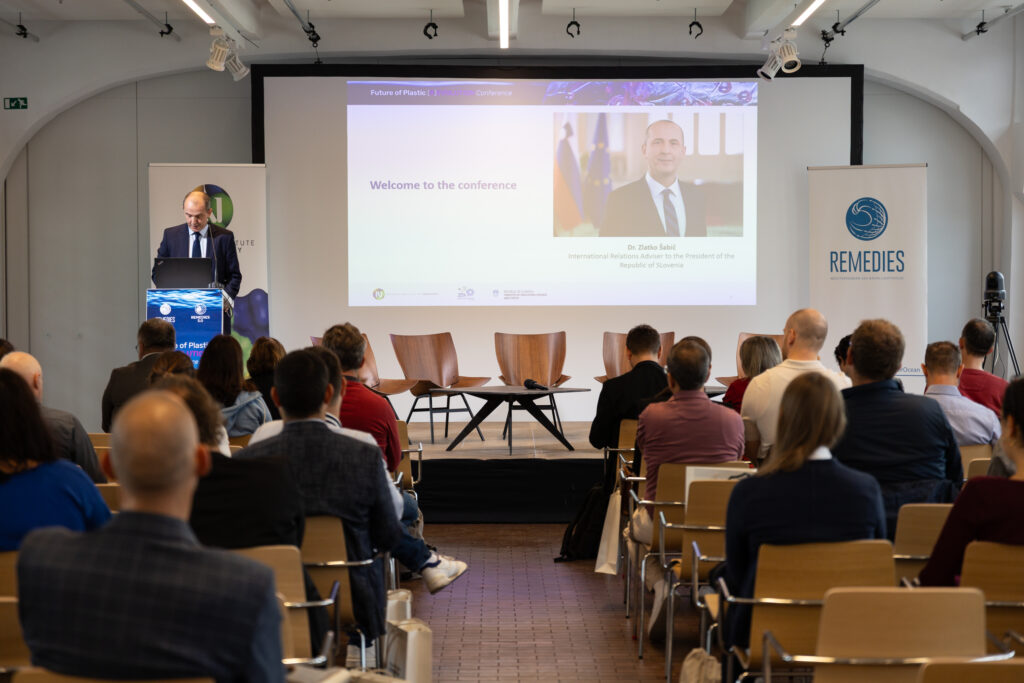
Dr Zlatko Šabič, International Relations Adviser of the Republic of Slovenia.
Dr Aleš Mihelič, Chair of the Board of Governors of the National Institute of Chemistry, then emphasised the value of collaboration between research, industry and public authorities. Addressing the challenges associated with microplastics, he argued for a combination of scientific knowledge, product design, common measurement approaches and changes in production and consumption. The challenge, he explained, is not the existence of plastic as a useful material but the way it is designed, used and managed within a circular economy. His welcome positioned the conference as an opportunity to move beyond disciplinary boundaries and accelerate the uptake of effective solutions.
Elisabetta Balzi of the European Commission placed the event within the broader trajectory of the EU Mission. She recognised REMEDIES as part of the first wave of projects that helped turn the Mission’s ambition into tested local action. Her intervention stressed that innovation must go beyond research programmes and be connected to the needs of territories, with cooperation across governments, regions, municipalities, research organisations and communities. In a brief interview recorded at the event, she returned to this double ambition: “We need to deploy the mission to scale up … and at the same time to scale it down to bring it really to the territories.” The challenge, she explained, is to replicate promising solutions while adapting them to local needs, capacities and citizens.
That transition was made tangible by Dr Uroš Novak, coordinator of REMEDIES and REMEDIES 5.0 at the National Institute of Chemistry. Reflecting on the project’s journey from its early Mediterranean focus, he revisited its interconnected work on detection and monitoring, collection and valorisation, and prevention and zero-waste alternatives. Examples ranged from river cleaning and marine litter monitoring to bio-based fishing gear and reusable cups. He also acknowledged the partnerships, demonstrations and local engagement needed to generate reliable evidence and put the innovations to the test. As he put it, “The lighthouse is the people in Remedies.” His presentation did not treat the closing of one project as the end of the work, but as the foundation for the next challenge: bringing proven approaches into use in waterfront cities and ports.
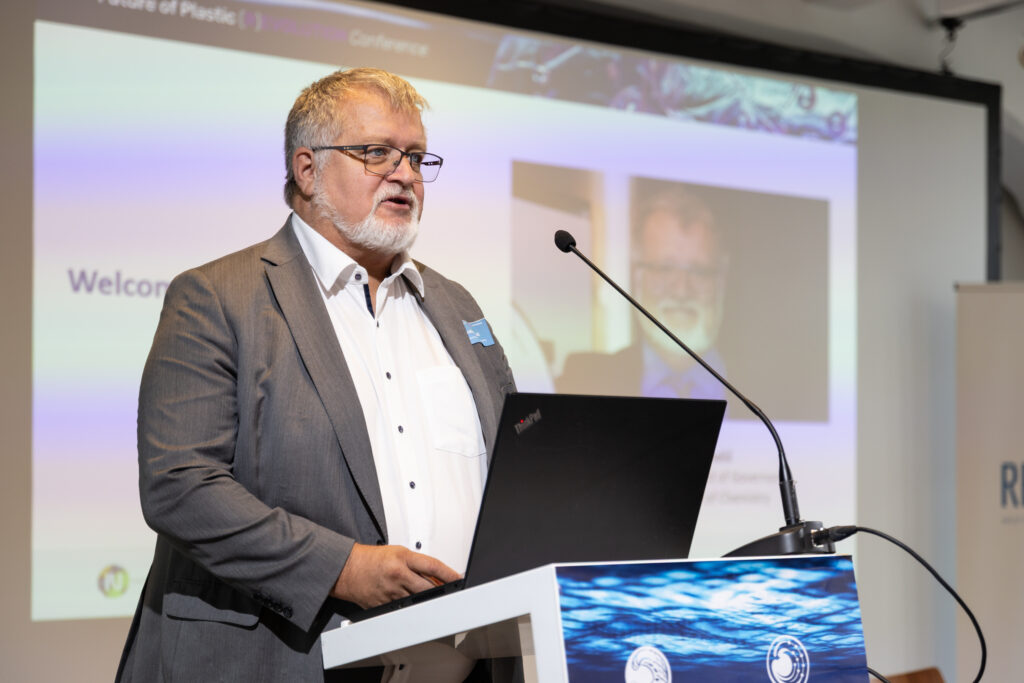
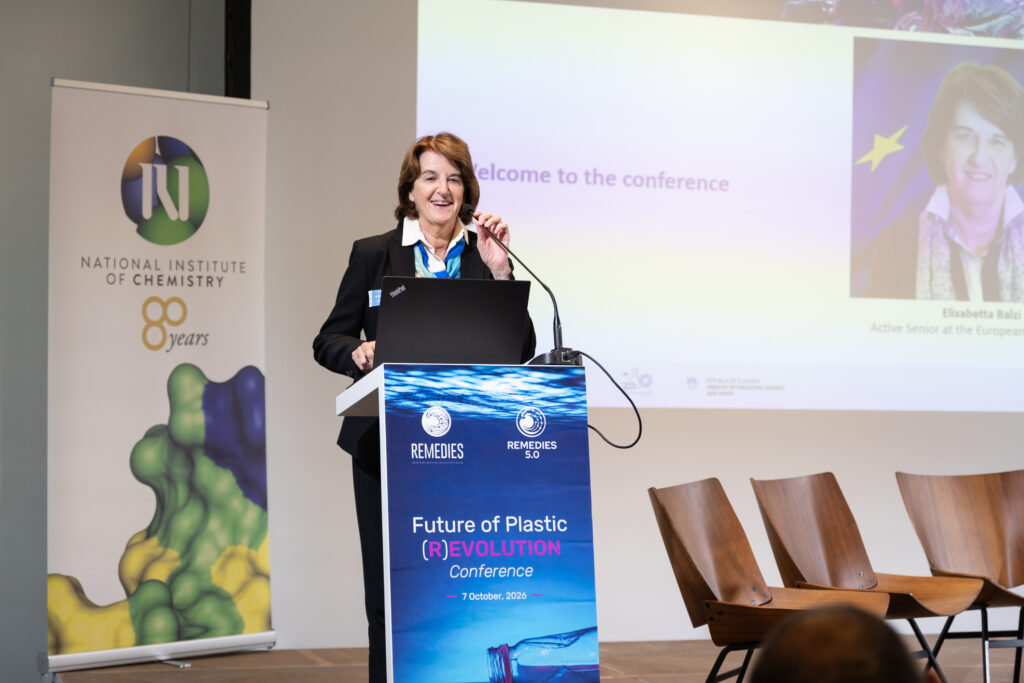
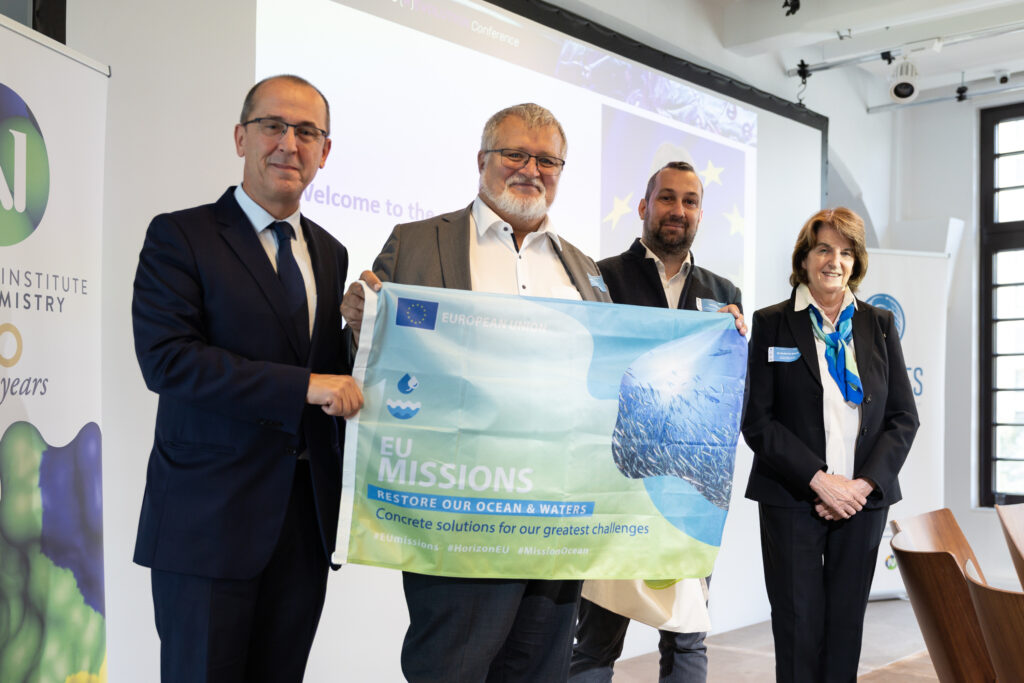
Opening speakers, Dr Aleš Mihelič, Elisabetta Balzi and Dr Uroš Novak.
Seeing the unseen, and turning evidence into decisions
The scientific programme then addressed a difficult reality: much of the plastic pollution of greatest research interest cannot be seen with the naked eye. In his keynote, Dr François Galgani traced the development of marine litter research, from early observations of visible debris to contemporary concerns about microplastics, nanoplastics, their distribution, environmental impacts and the need for comparable monitoring. He situated scientific progress alongside European and international policy frameworks, underlining why harmonised indicators, accessible data and coordinated action are essential if research is to support prevention rather than simply describe the problem.
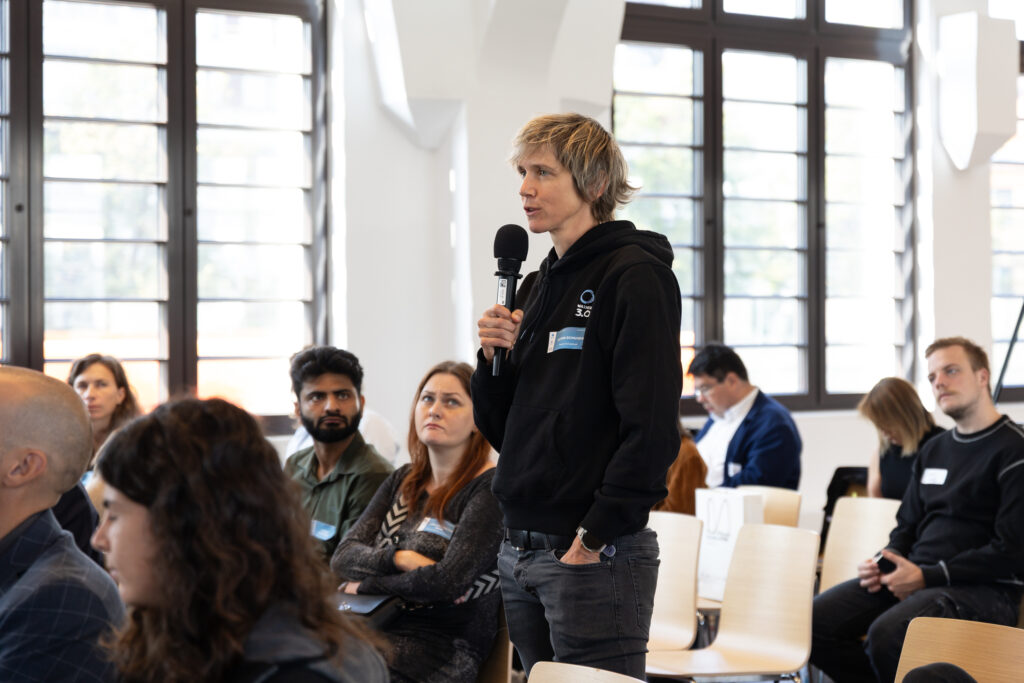
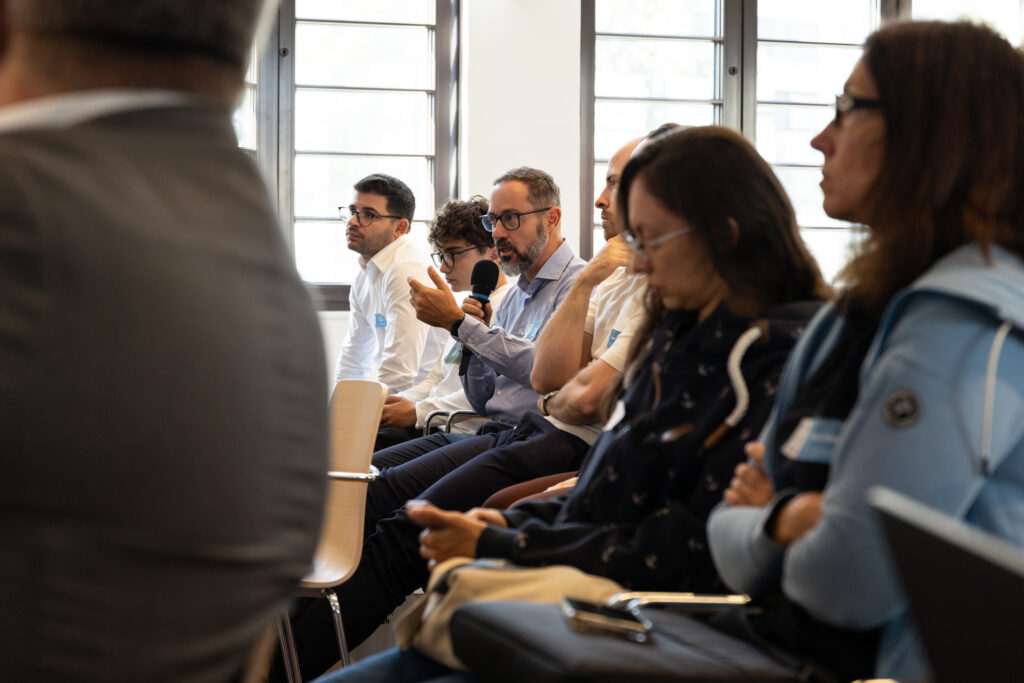
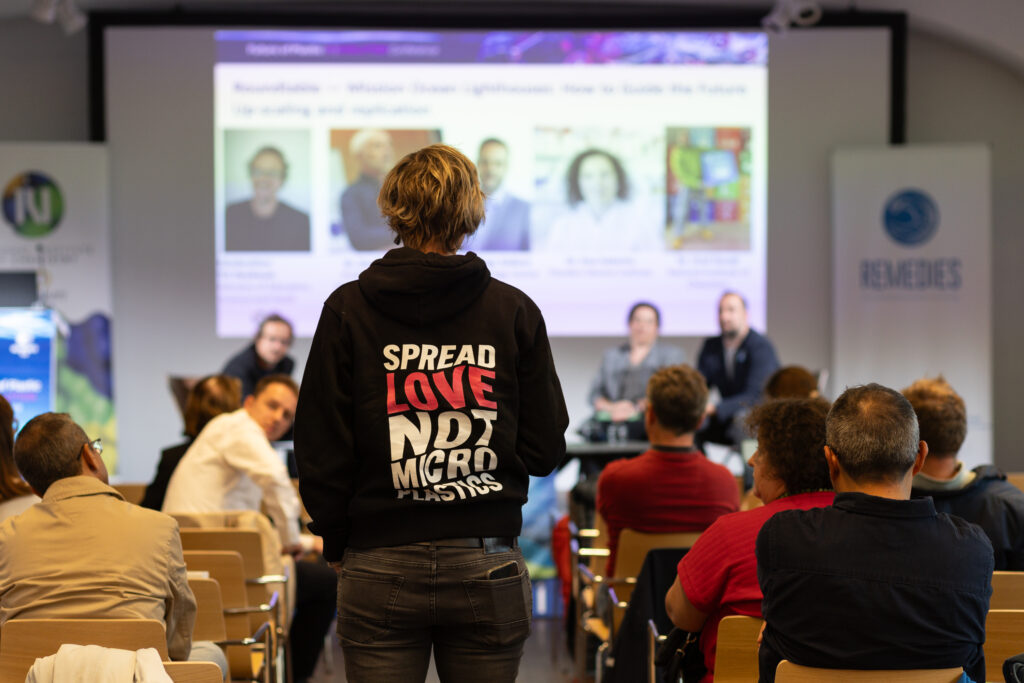
Two roundtables brought these questions into sharper focus. “Seeing the unseen”, moderated by Dr Dušan Materić, considered the challenge of detecting and understanding micro- and nanoplastics, drawing on perspectives from materials research, exposure assessment and wastewater treatment. The ensuing “From data to action” discussion, moderated by Andreja Palatinus, explored the more difficult step of translating scientific evidence into policy, technology adoption and changes in behaviour. Researchers, solution providers and civil-society representatives debated not only what can be measured, but how evidence becomes credible, understandable and usable by the people with the power to act.
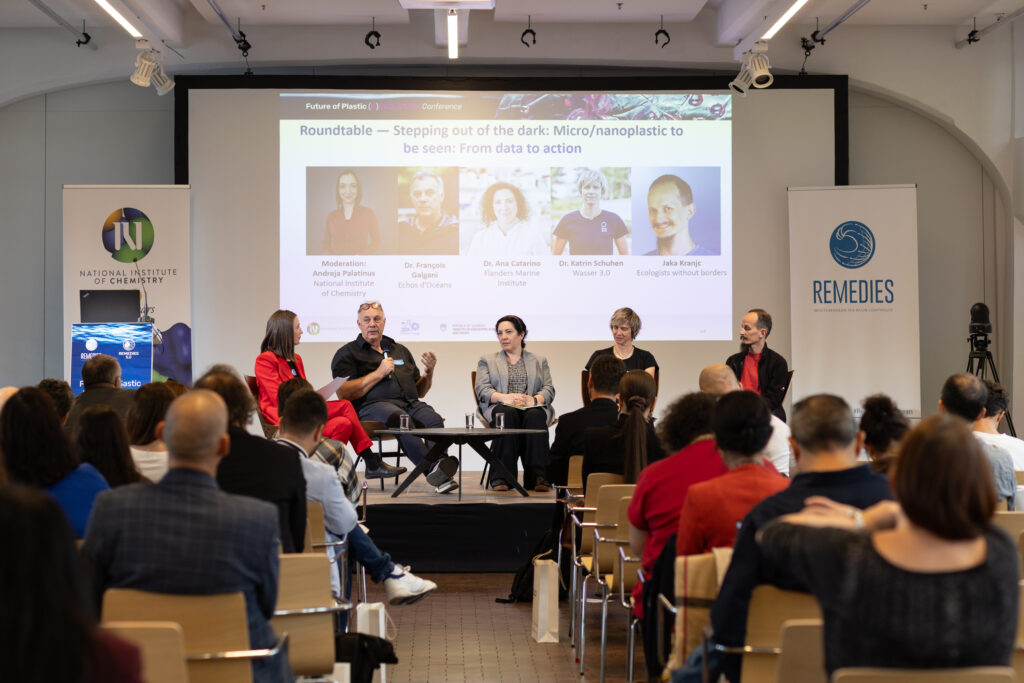
One of the most memorable interventions came from Jaka Kranjc of Ecologists Without Borders, who urged participants to “be more annoying”. His point was that responsibility should not be pushed solely onto individual consumers: citizens and organisations must also challenge producers and the proliferation of unnecessary packaging, using public pressure alongside regulation.
The discussion closed on an equally important observation from moderator Andreja Palatinus: moving from data to action is not simply about generating more evidence, but about communicating, listening and finding ways for different actors to work together. These exchanges gave the morning a practical edge, connecting scientific sophistication with questions of accountability and agency. As Andreja Palatinus, moderator of the second roundtable, summarised, “Moving data from data to action is not only about generating more evidence. It’s about communicating.”
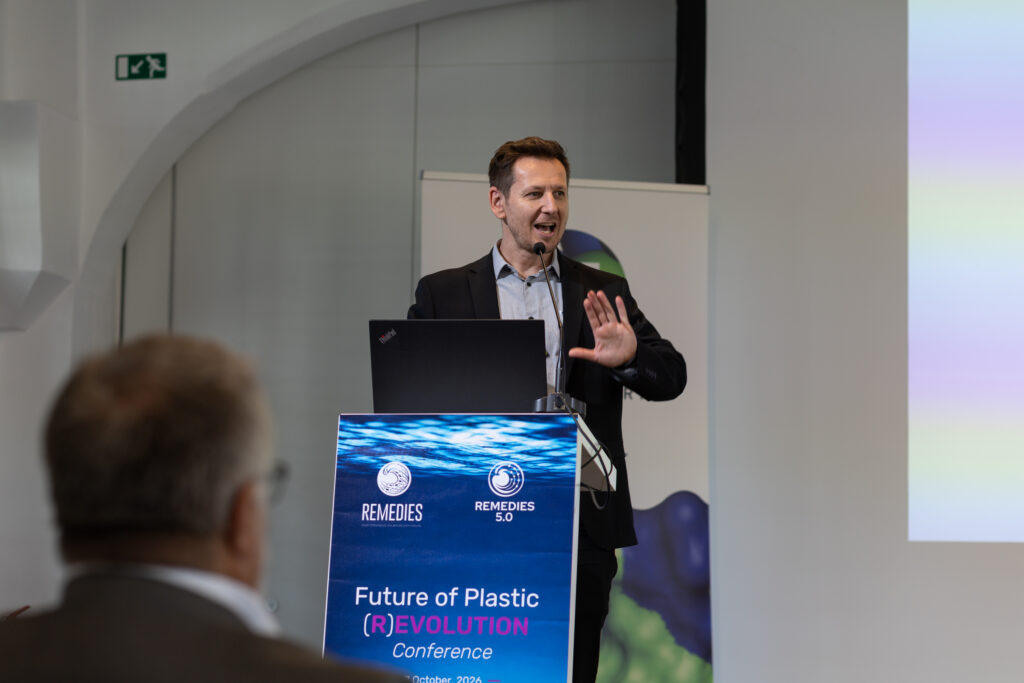
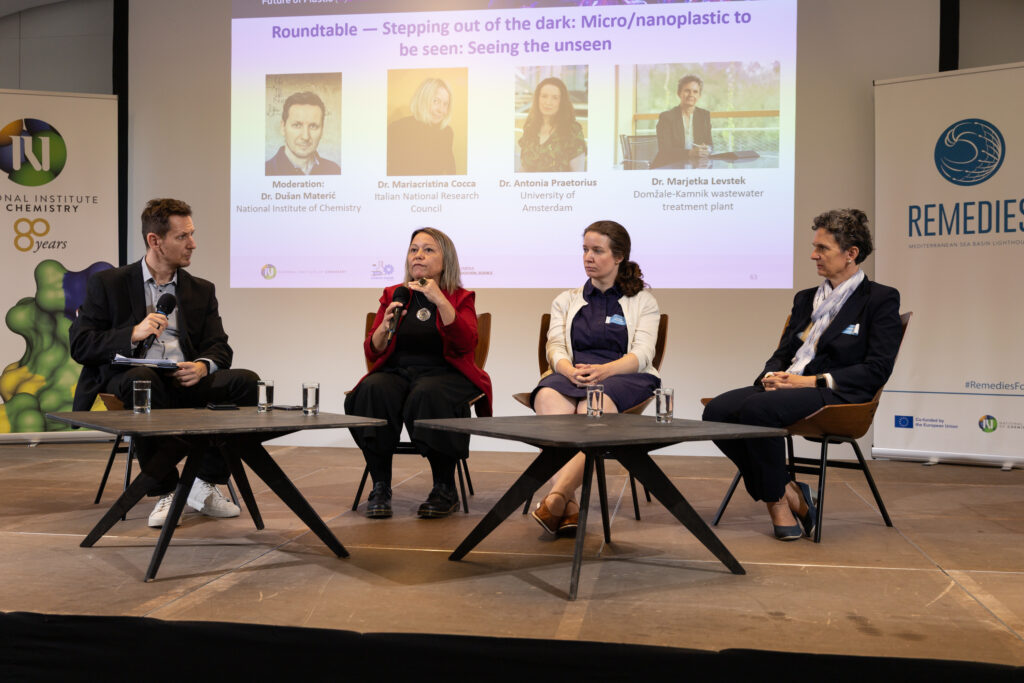
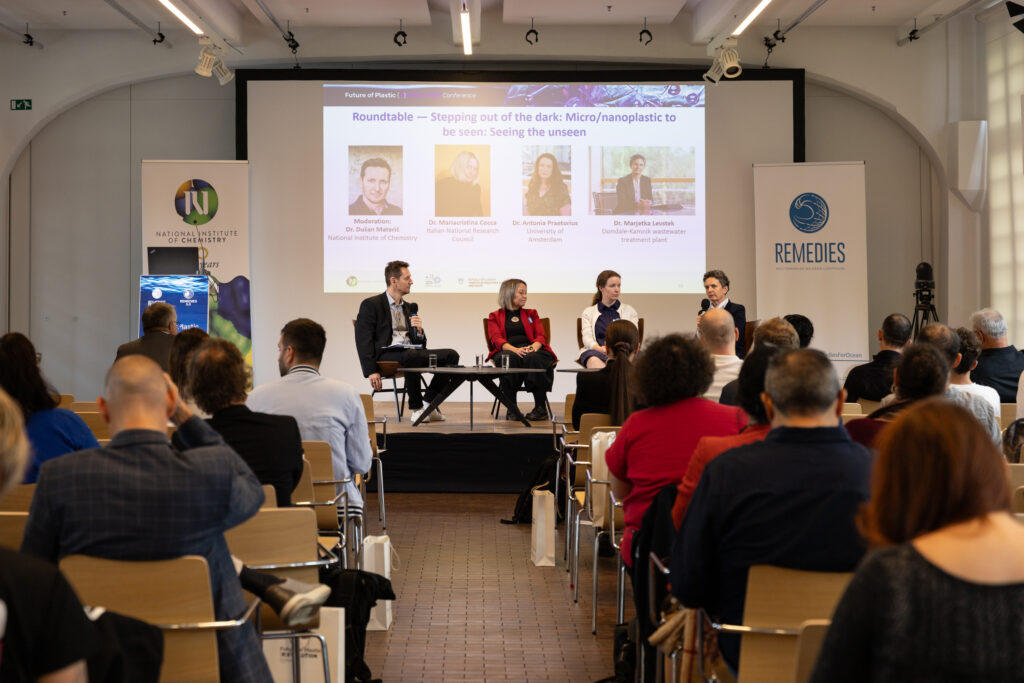
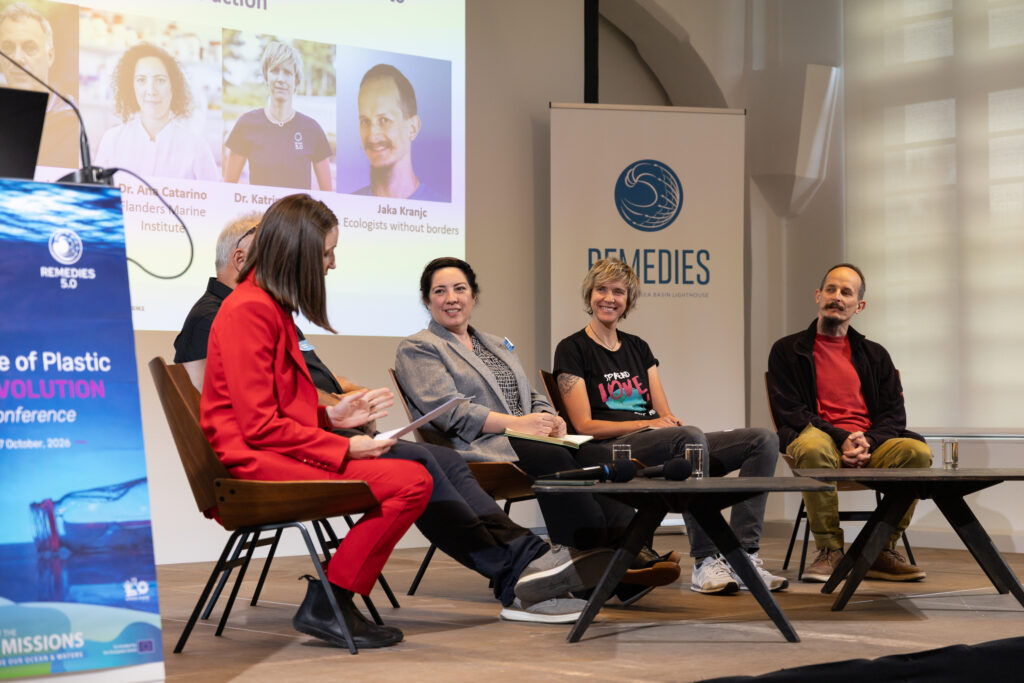
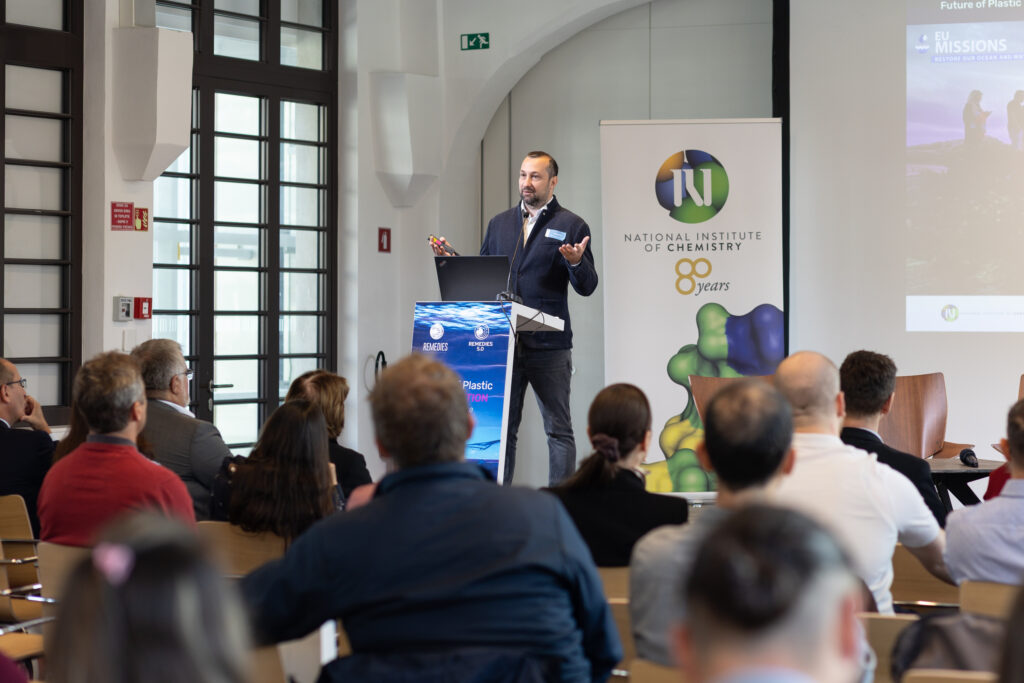
Scientific keynote and “Seeing the Unseen” / “From Data to Action” roundtables.
From REMEDIES to what comes next
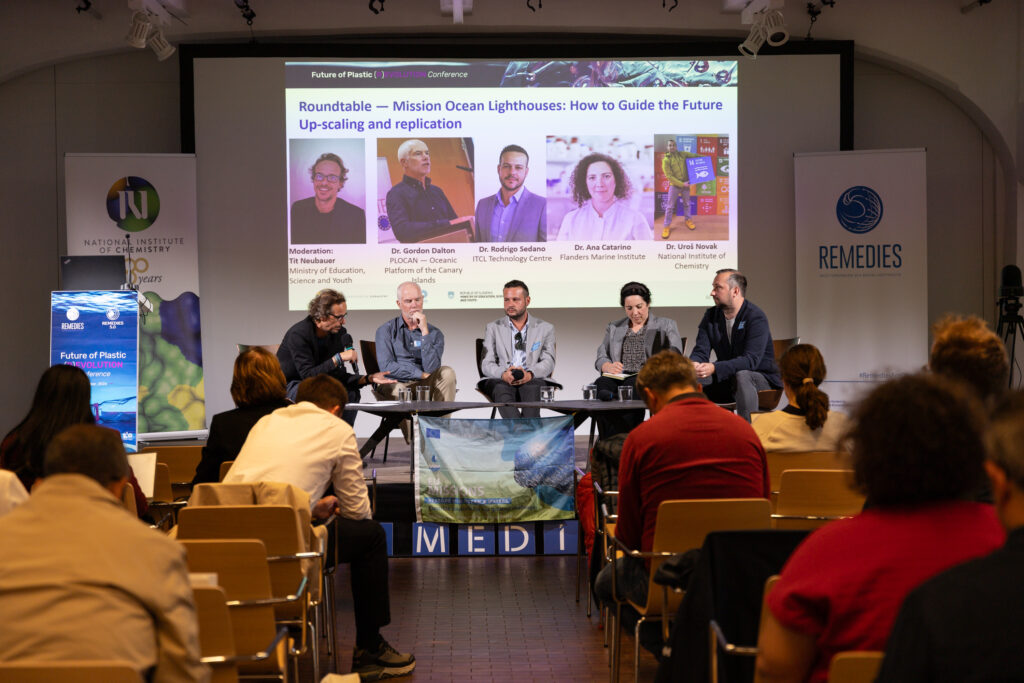
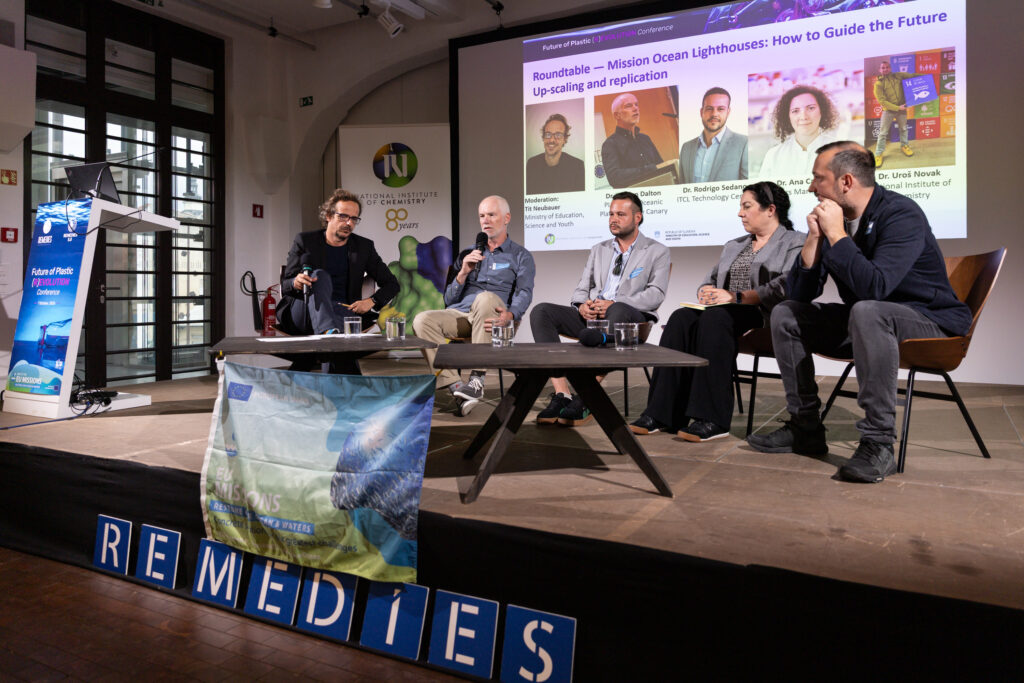
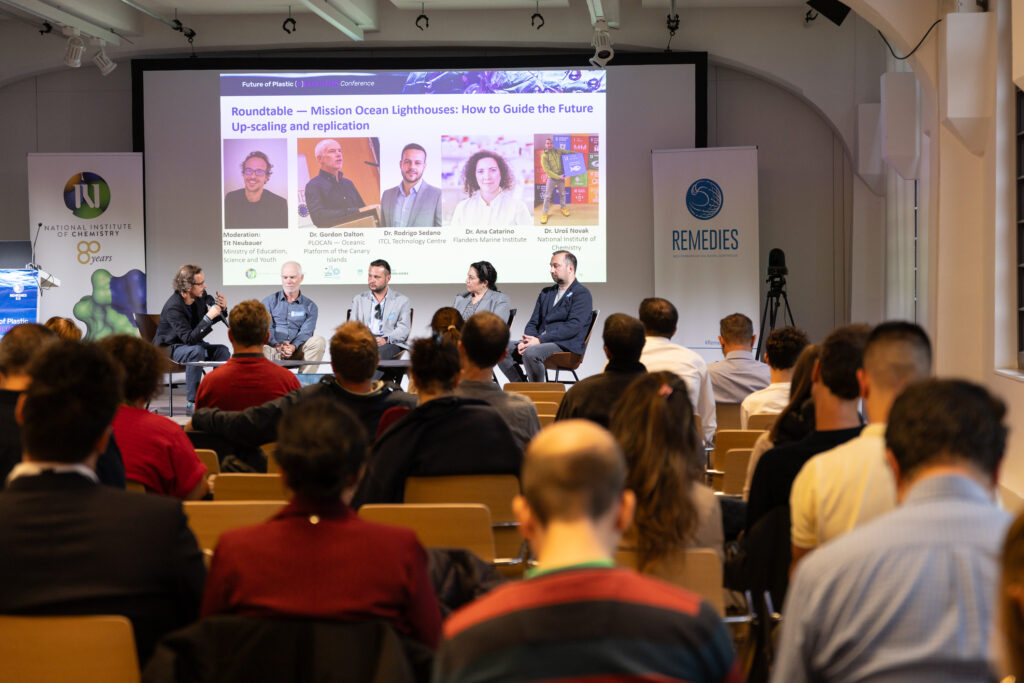
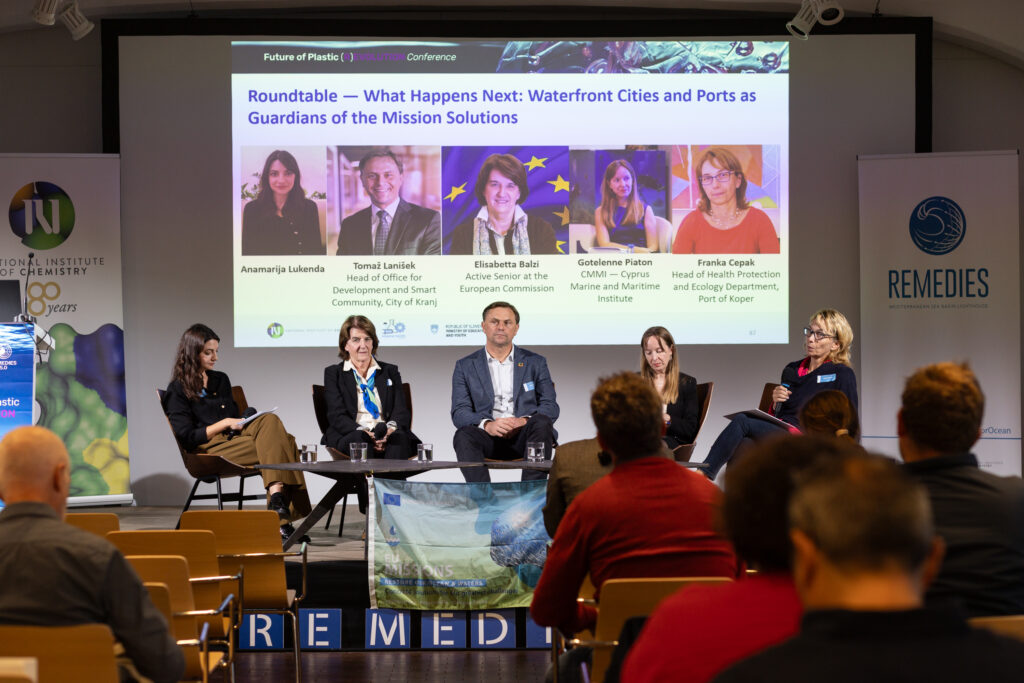
The afternoon’s 10th REMEDIES Cluster Meeting shifted the emphasis decisively towards transfer, replication and deployment. Under the theme “REMEDIES for ocean and waters: Transferable actions in building Society 5.0”, the programme addressed the second stage of the EU Mission, approaches to upscaling tested REMEDIES solutions and cooperation among Mission Ocean lighthouses. Representatives associated with INSPIRE, PHAROS, ISLA BONITA, REMEDIES and iMERMAID considered how solutions and lessons can travel between projects and territories, while a subsequent roundtable examined how waterfront cities and ports can become active guardians of their implementation.
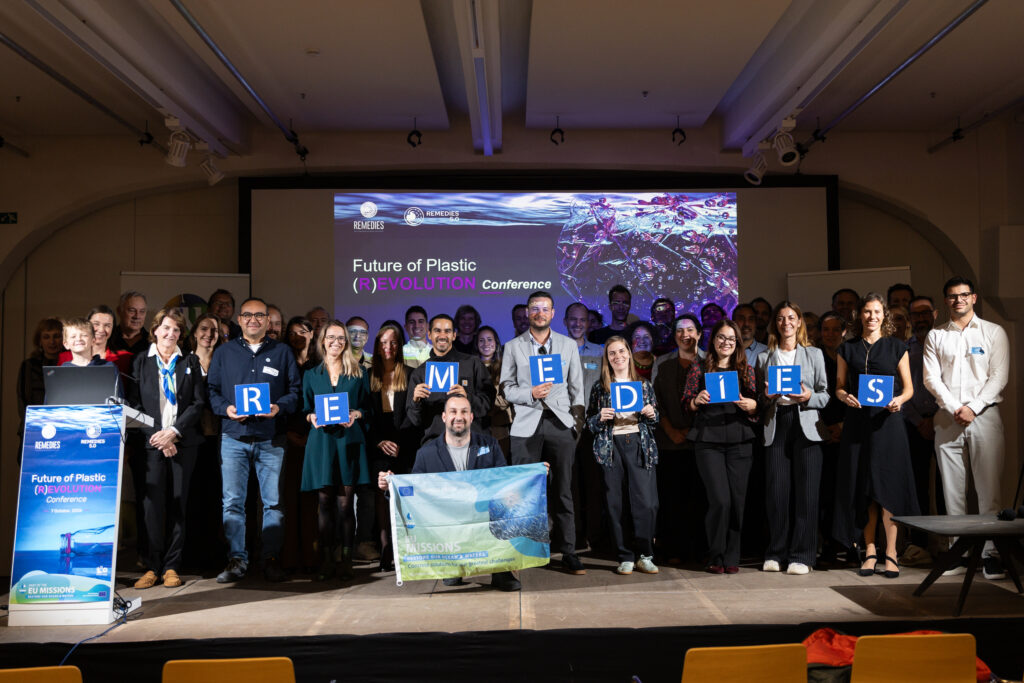
The significance of this shift is practical. A technology that performs in a demonstration site still requires institutions capable of adopting it, local partners willing to maintain it, workable business and operating models, and citizens who understand its purpose. The transition to REMEDIES 5.0 therefore concerns more than geographical expansion: it is about embedding innovation in the systems that manage water, waste and urban life.
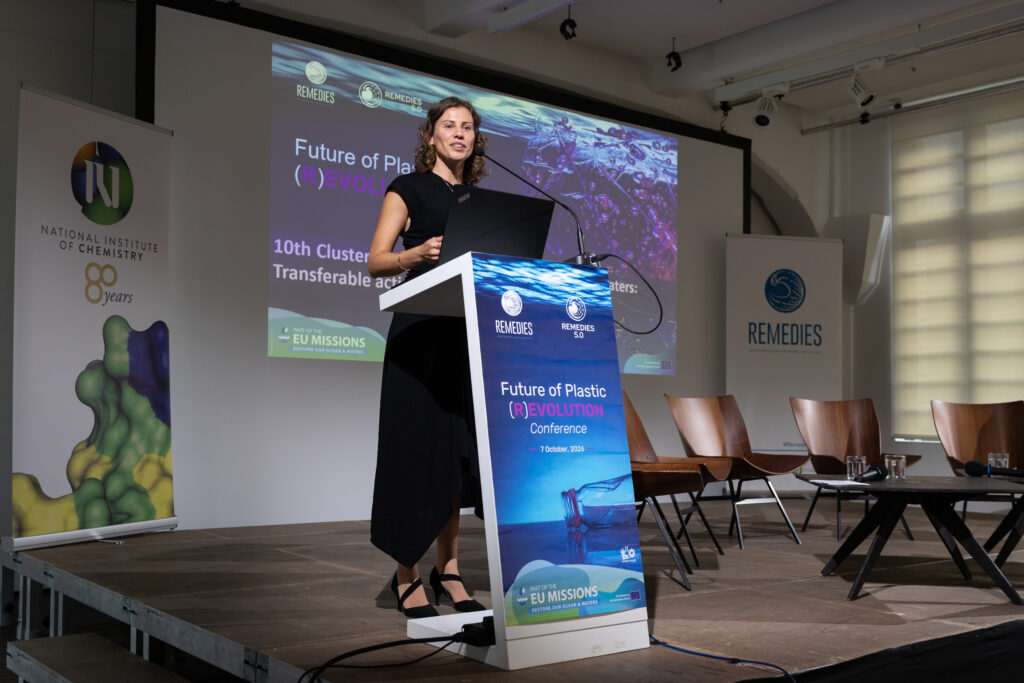
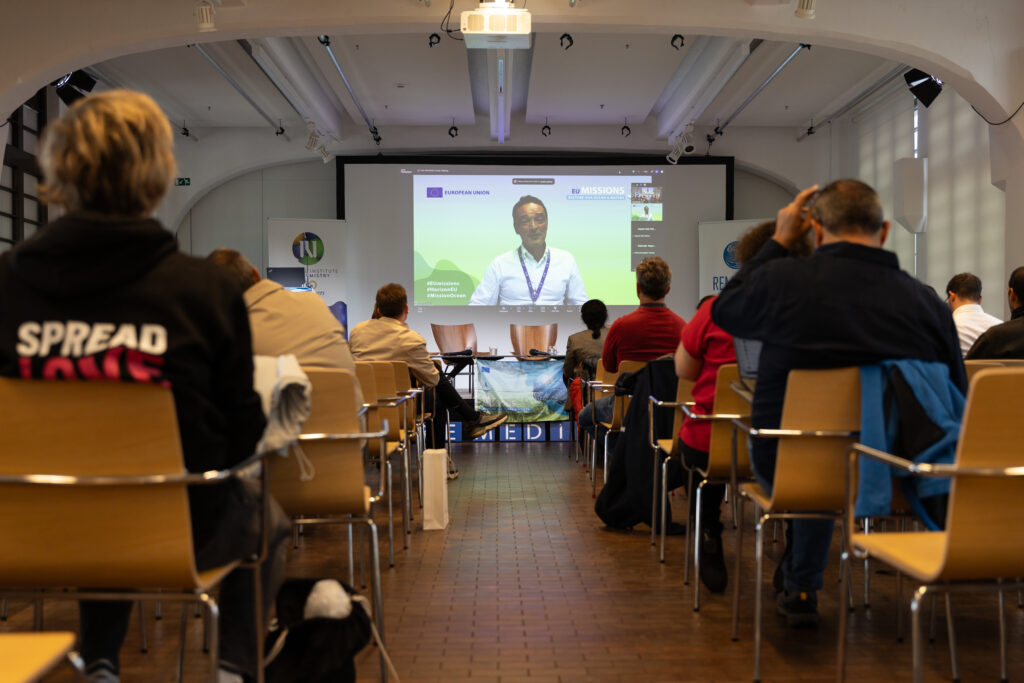
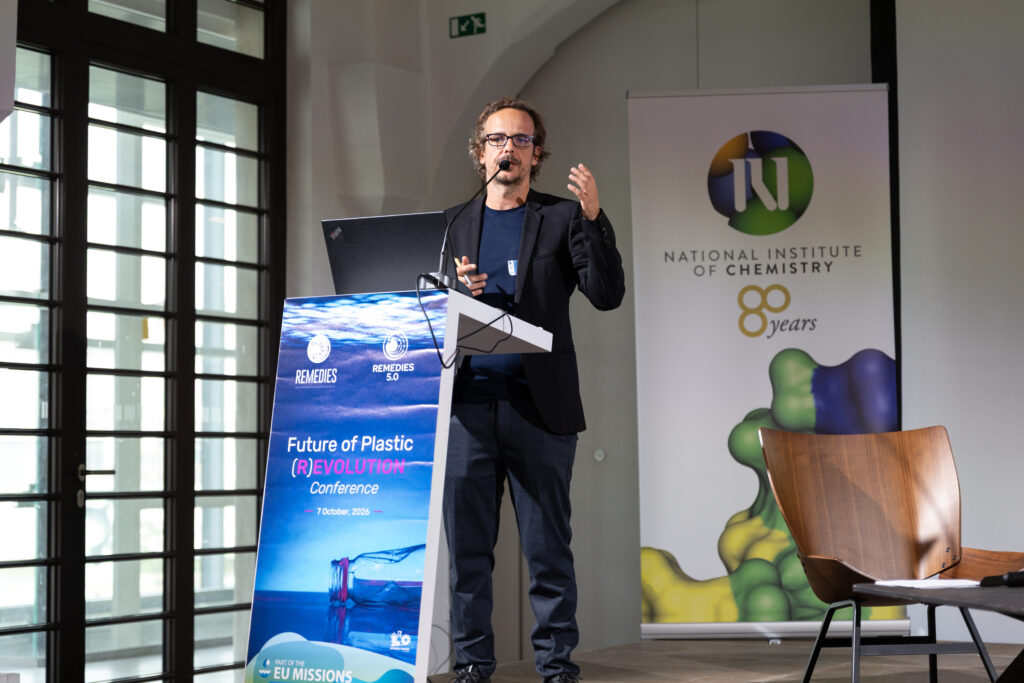
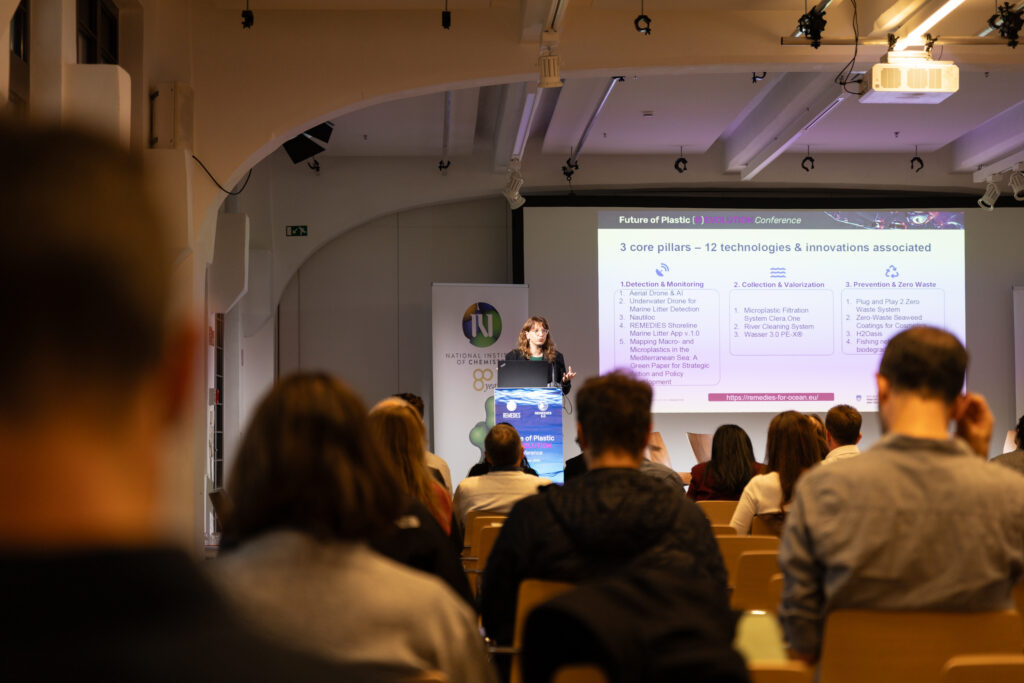
10th REMEDIES Cluster Meeting, lighthouse projects and waterfront cities/ports roundtables.
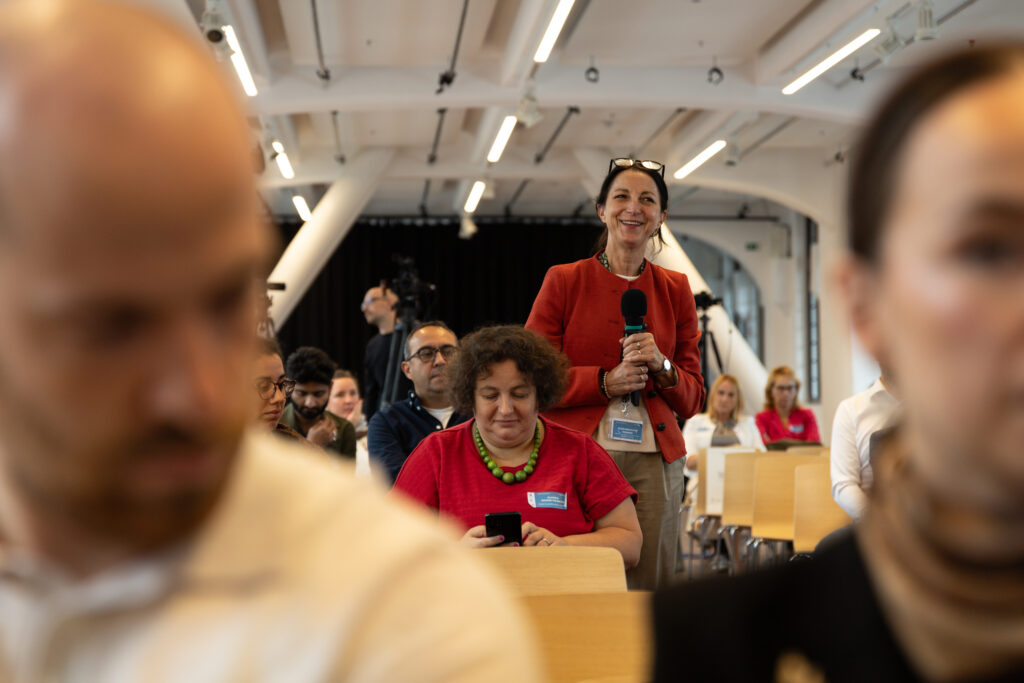
Informal exchanges, the exhibition of project innovations and networking opportunities during the day, including lunch on the Ljubljanica River, further connected project teams with policymakers, practitioners and potential collaborators. As Uroš Novak had explained earlier in the day, “Deployment means done with testing, select the solution that can work and bring cities on board.”
Voices from Ljubljana
Beyond the formal sessions, short interviews captured what participants considered worth taking forward. Their reflections offer a human perspective on the scientific and policy agenda, with a common thread emerging across different backgrounds: lasting progress requires collaboration, informed action and solutions shaped with the people who will use them.
Vesna Kuralt | National Institute of Chemistry Reflecting on the project’s legacy, Vesna Kuralt drew attention to the partners, demonstration teams and local communities who helped make the solutions real. In her view, REMEDIES has been as much about mobilising a community as developing technologies.
“Because any change happens with people, and this was the intention of the Remedies.”
Marko Petelin | Industry representative Marko Petelin focused on the urgency of translating the available data into decisions. Understanding the significance of plastic pollution is necessary, he argued, because that knowledge should enable faster and more decisive responses, particularly from policymakers.
“Act quicker and more decisively, starting from the policy makers.”
Konstantinos Topouzelis | University of the Aegean For Konstantinos Topouzelis, the value of the conference lay in combining up-to-date scientific understanding and knowledge of European solutions with the opportunity to share it beyond specialist circles.
“I’m very happy to see that we have stakeholders and all the community here so the knowledge will be transferred to everyone.”
Ondrej Panák | National Institute of Chemistry Ondrej Panák highlighted the importance of gathering different stakeholders in one place, learning about ongoing initiatives and creating openings for future cooperation. His comment also captured why the exchanges between sessions mattered as much as the formal presentations.
“Different stakeholders meet at this conference, discuss and know what is happening and maybe establish new cooperations for further steps.”
Gotelenne Piaton | Cyprus Marine and Maritime Institute / MEDCONNECT Gotelenne Piaton emphasised that upscaling is meaningful only when solutions respond to the actual needs of cities, ports and regions. She described MEDCONNECT’s role in helping promising Mission Ocean solutions move towards adoption while supporting the skills and collaborations needed locally.
“They actually need to be co-created with the actors who are going to use them.”
Gordon Dalton | PLOCAN / ISLA BONITA Gordon Dalton pointed to the opportunity for cooperation between sister projects and their living labs. His remarks highlighted citizen litter entrepreneurship as one way to connect environmental restoration with skills, livelihoods and participation in the circular economy.
“Isla Bonita with Remedies will be combining all the living labs together for a huge citizen engagement for training citizens how to be better litter entrepreneurs.”
Taken together, the interviews reinforced a central lesson from the day: progress on plastic pollution cannot be delivered by scientific research, regulation, industry or citizens working alone. The Future of Plastic (R)evolution marked the conclusion of an important REMEDIES chapter, but its discussions were directed towards what follows: making knowledge transferable, enabling promising solutions to be adopted, and sustaining the relationships that turn shared ambition into collective action.
Conference impact
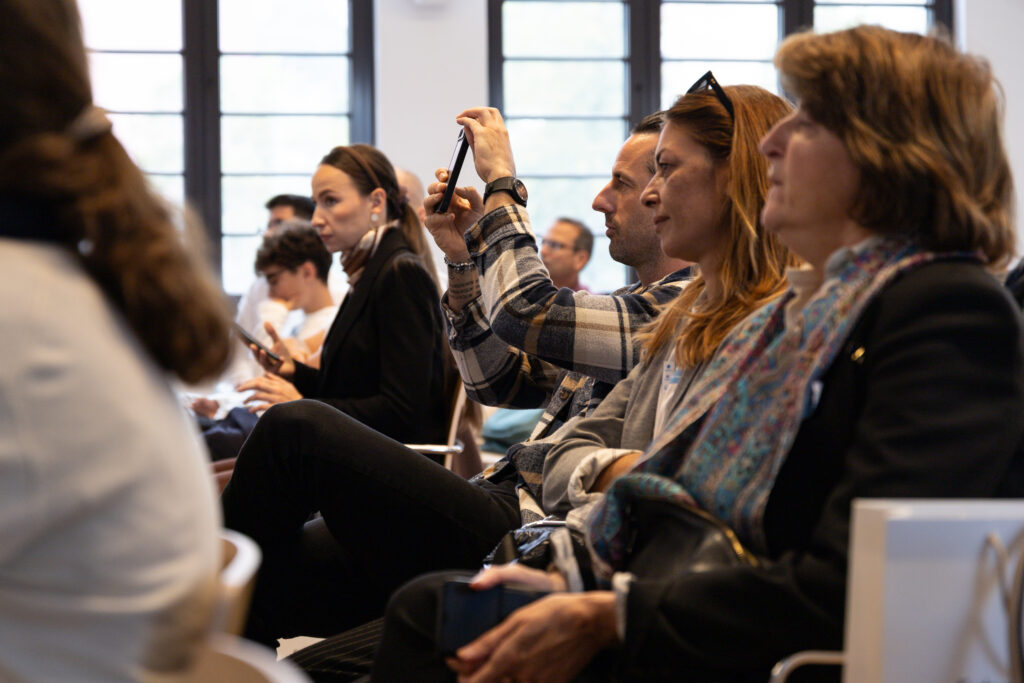
Attendance reached 108 in-person participants from 178 registrations, alongside 35 Zoom attendees.
An important part of the conference was the Innovations & Exhibition area, hosted in the Small Hall of Center Rog. REMEDIES partners and organisations behind the project’s innovations presented selected solutions through dedicated exhibition stands, abstracts, visual materials, prototypes and other hands-on materials, giving participants the opportunity to explore the technologies and meet directly with the people behind their development. The exhibition also brought together collaborating organisations, other European projects and selected innovations beyond REMEDIES, creating a broader space for knowledge exchange, inspiration and new connections. The exhibition was further connected to the REMEDIES Innovation Marketplace, highlighting opportunities to explore, scale, invest in or adopt the solutions developed through the project.
Watch the Conference
Discover the Conference Programme.
Watch the 10th REMEDIES Cluster MeetingDiscover all exhibited innovations, here.
The exhibition posters are also available here.