
Reflections from the REMEDIES 3rd Policy Workshop in Brussels
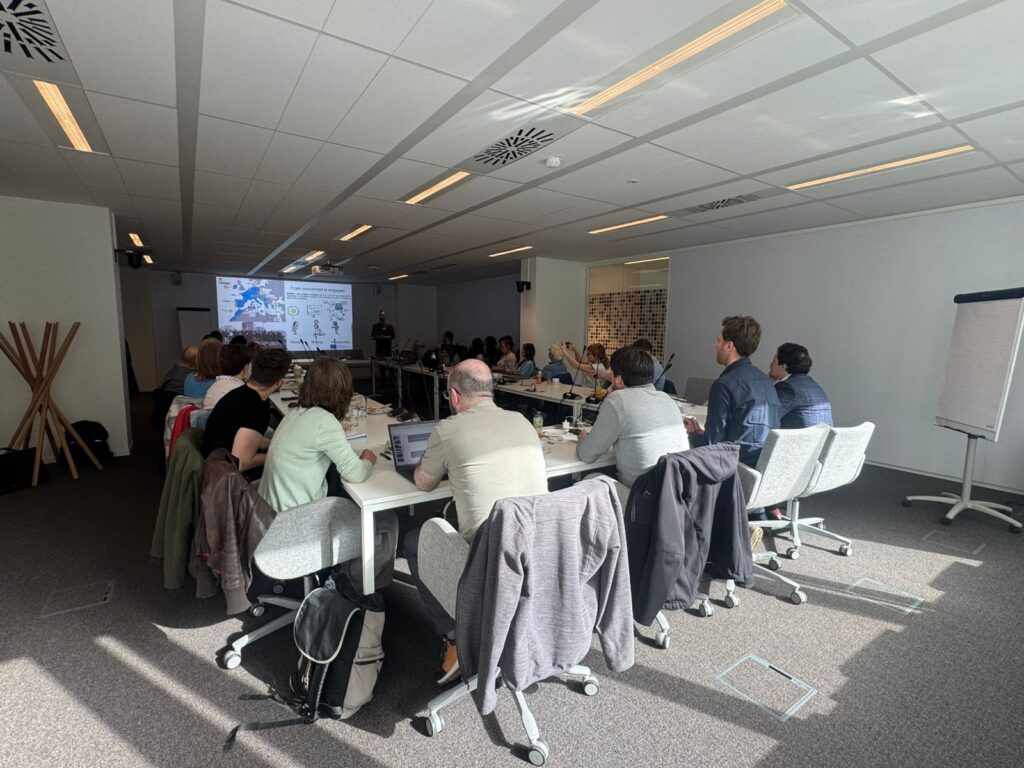
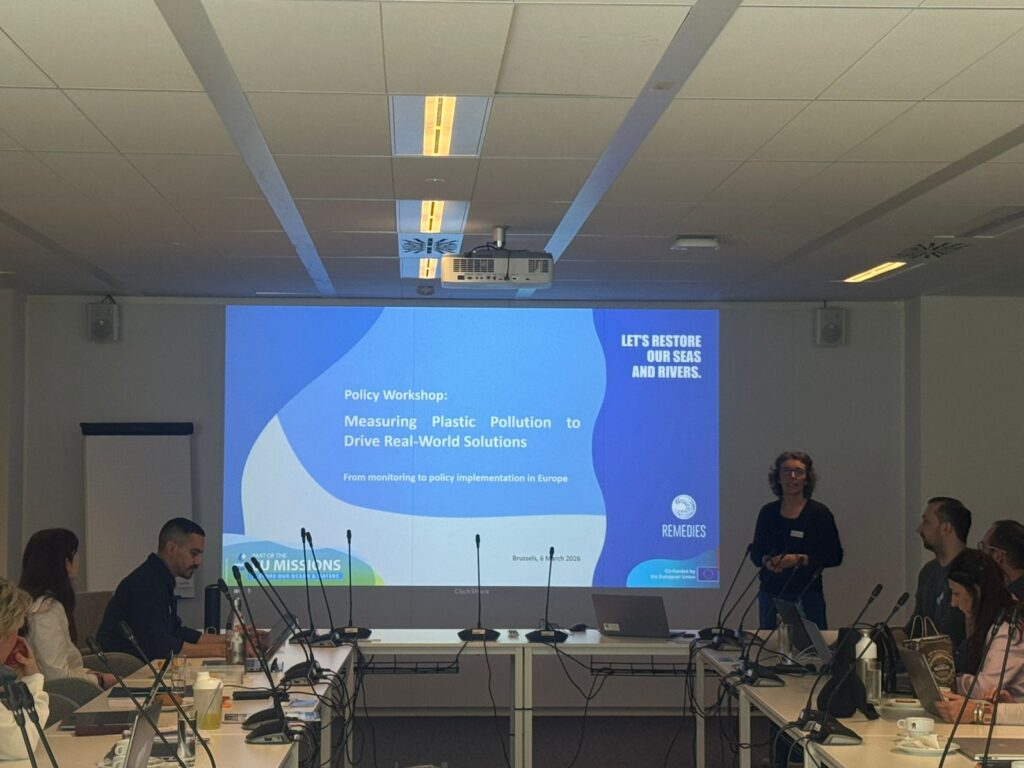
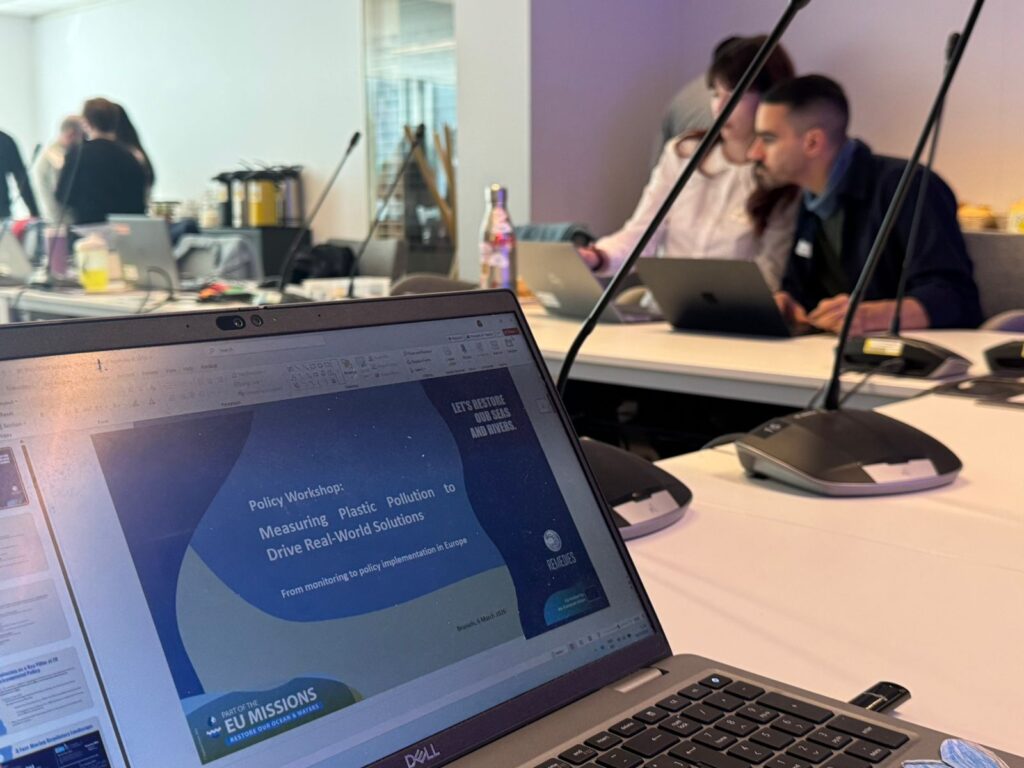
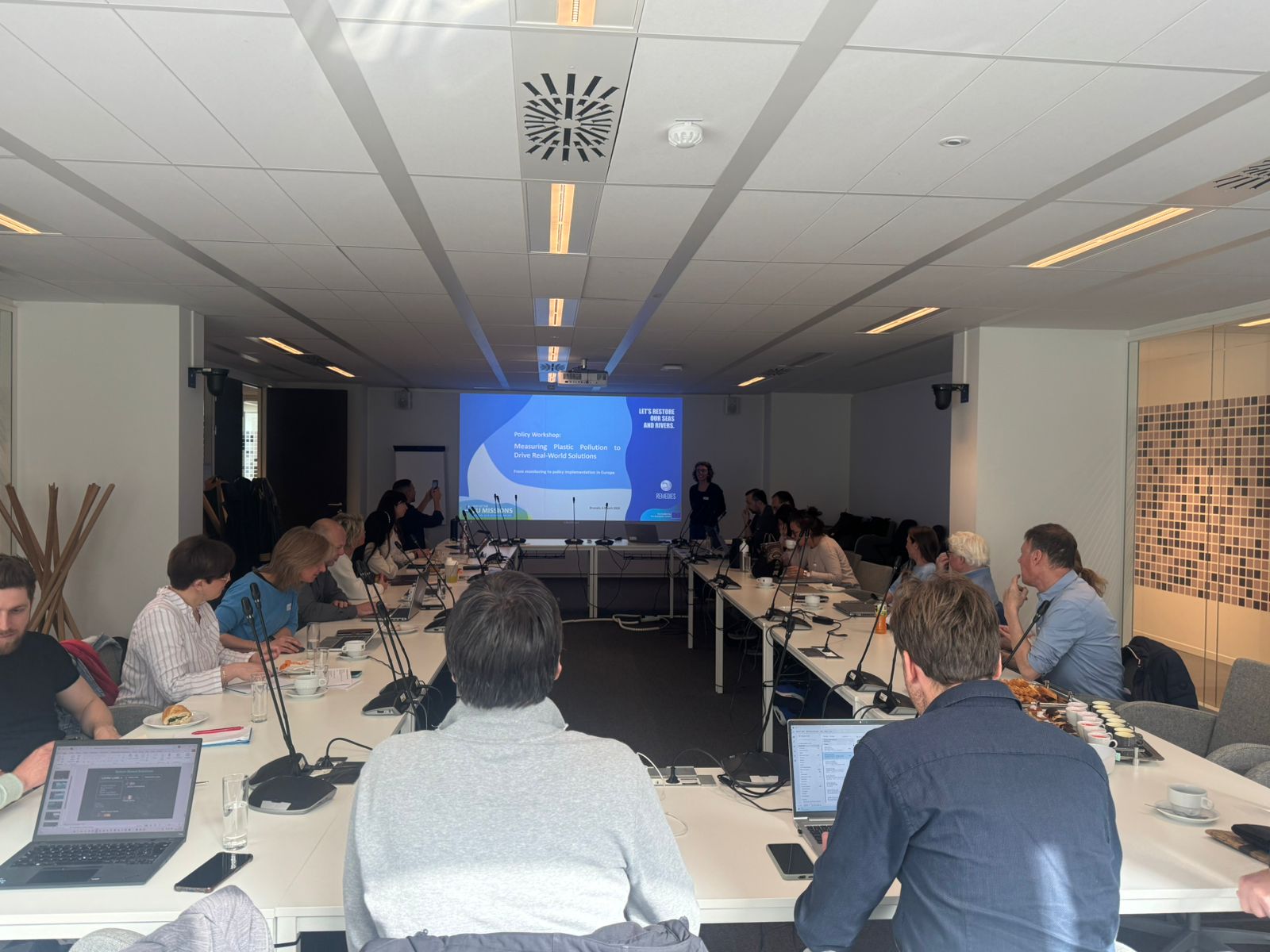
On 6 March 2026, the REMEDIES project hosted its 3rd Policy Workshop in Brussels titled “Measuring Plastic Pollution to Drive Real-World Solutions: From Monitoring to Policy Implementation in Europe.” The workshop took place from 11:30 to 15:30 CET at Hendrik Conscience, Bd Roi Albert II 15, 1210 Saint-Josse-ten-Noode, bringing together researchers, policymakers, industry representatives, and partners from different EU projects working at the intersection of plastic pollution monitoring and environmental regulation.
The event aimed to explore how scientific evidence and monitoring systems can better support European policy frameworks addressing plastic pollution, and how monitoring data can move beyond research and contribute to policy implementation and regulatory indicators.
From Science to Policy: Why Monitoring Matters
The workshop opened with a welcome and policy framing session by Milica Velimirovic Fanfani (VITO), who highlighted the role of scientific monitoring in supporting major European policy frameworks addressing pollution and environmental protection.
Plastic pollution monitoring is increasingly becoming a central component of EU environmental policy, particularly within frameworks such as the Zero Pollution Action Plan, the Marine Strategy Framework Directive (MSFD), the Water Framework Directive (WFD), and the EU Plastics Strategy.
This framing set the foundation for the discussions that followed, emphasizing the importance of linking scientific monitoring efforts with policy indicators, targets, and implementation mechanisms.
Insights from European Research Projects
The first thematic block of the workshop presented insights from several European projects that are actively measuring plastic pollution across marine and freshwater environments.
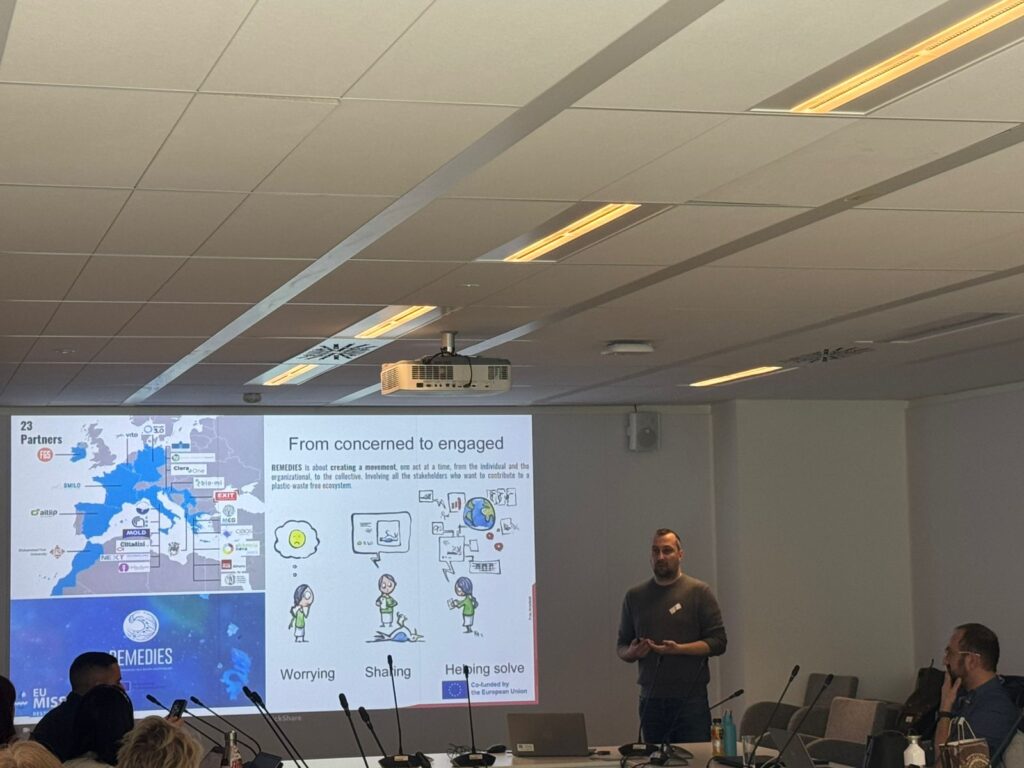
Uroš Novak (NIC) presented the work of the REMEDIES project, focusing on monitoring plastic pollution in marine and freshwater environments to support remediation.
Gert Everaert (VLIZ) introduced the INSPIRE project, which advances harmonised and policy-ready measurement approaches for plastic pollution.
Alicia Macan Schönleben (VITO) presented the UPSTREAM project, which identifies and quantifies plastic pollution at its source, including contributions from industry, wastewater systems, and urban environments.
The session also included a presentation on the PHAROS project by Gordon Dalton (PLOCAN) and Pablo Reche Garcia (PLOCAN), which focuses on protecting marine ecosystems, reducing pollution, and contributing to a carbon-neutral blue economy by 2030.
Together, these presentations illustrated how monitoring technologies and methodologies are evolving to support both remediation and prevention strategies.
Harmonising Microplastics Monitoring
A dedicated session focused on the Establishment of a Harmonised Microplastics Monitoring Framework in Flanders, presented by Griet Jacobs (VITO).
The presentation explored lessons learned from developing a regional monitoring framework and discussed how such approaches can support the implementation of microplastics monitoring obligations while ensuring alignment with EU environmental directives. The case of Flanders provided a practical example of how harmonised monitoring can help bridge regional action and European policy requirements.
From Data to Decisions
The second half of the workshop focused on the challenge of translating monitoring results into policy decisions. A moderated policy roundtable addressed the question:
How can scientific monitoring be translated into regulatory indicators and measurable targets?
Participants then joined breakout discussions organised into two thematic groups.
The first group focused on marine and freshwater environments, examining how plastic pollution indicators could support frameworks such as the MSFD, WFD, and regional seas conventions.
The second group focused on sources and prevention, exploring how indicators could be developed for industry, wastewater systems, ports, and product regulation.
The workshop concluded with a reporting session summarizing the discussions and presenting policy-relevant recommendations, followed by closing remarks and next steps led by VITO and the workshop organisers.
Key Themes Emerging from the Discussion
The final discussion of the REMEDIES policy workshop highlighted three key themes shaping the future of microplastics governance in Europe.
Standardisation and reliability remain a central issue. Participants discussed how close the EU is to establishing a true “gold standard” for microplastic monitoring. While projects such as INSPIRE and UPSTREAM are advancing methodologies, regulators ultimately require measurement approaches that are sufficiently robust for regulatory enforcement.
A second key challenge concerns defining targets and limits. Monitoring concentrations alone is not sufficient; a critical question remains regarding when plastic pollution levels become unacceptable. Moving toward regulatory limit values will require stronger connections between monitoring data, ecological impacts, and source attribution.
Finally, participants discussed policy integration. Monitoring systems should support both the Marine Strategy Framework Directive and the Zero Pollution Action Plan without increasing reporting burdens. The discussion also raised the question of how monitoring results showing that targets are exceeded can be translated into concrete remediation actions.
Collaboration for Policy-Ready Monitoring
The workshop highlighted the importance of collaboration between science, industry, and policy actors in addressing plastic pollution. Participants emphasized that monitoring systems must not only be scientifically robust but also capable of supporting regulatory implementation and decision-making.
Through discussions, presentations, and exchanges between projects and policymakers, the REMEDIES Policy Workshop provided an opportunity to examine how monitoring efforts across Europe can contribute to more effective environmental governance and action on plastic pollution.