
Innovation to Impact: Advancing the Blue Economy and Marine/Freshwater Stewardship
Date:17 September 2026 | Location: Online
On 17 September 2026, the REMEDIES project held its 9th Cluster Meeting online, under the theme “Innovation to Impact: Advancing the Blue Economy and Marine/Freshwater Stewardship.” Organised by F6S, Impact Hub Athens and the National Institute of Chemistry (NIC), the meeting connected the European Commission, EU Mission Ocean and Waters projects, research networks, regional initiatives and innovation actors working to protect and restore oceans, seas and inland waters. The event attracted 90 registrations, with 53 participants joining the online session.
The meeting focused on how innovative solutions can move beyond individual projects and create lasting impact through policy alignment, regional deployment, stakeholder engagement, replication and access to funding. View the full agenda below.
From EU Mission priorities to REMEDIES results
The session opened with Vesna Kuralt, REMEDIES Project Manager at NIC, and Lina Silveira from F6S, who framed the meeting around the need to connect policy, research and local implementation. John Hanus, Team Leader for Mission Ocean and Waters at the European Commission, presented the Mission’s strategic direction, with particular emphasis on the transition from testing and demonstration to deployment, replication and scale-up, stronger support for communities and authorities, and better coordination of research and innovation across Europe.
Uroš Novak, REMEDIES Coordinator at the National Institute of Chemistry, then presented key REMEDIES achievements and lessons from the project’s work on plastic and microplastic pollution. His overview covered clean-up mobilisation, monitoring and removal technologies, zero-waste solutions, citizen science, support to associated regions and the project’s transition toward wider deployment through REMEDIES 5.0.
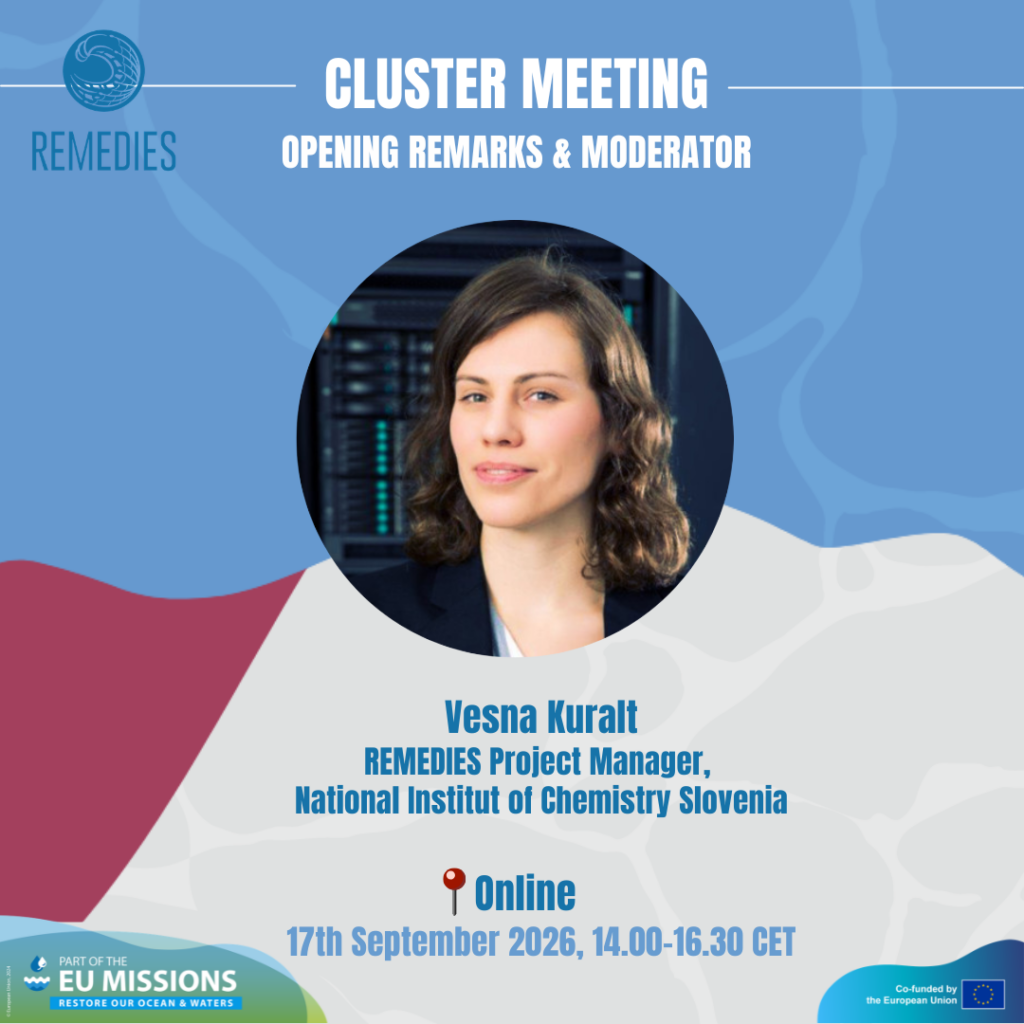
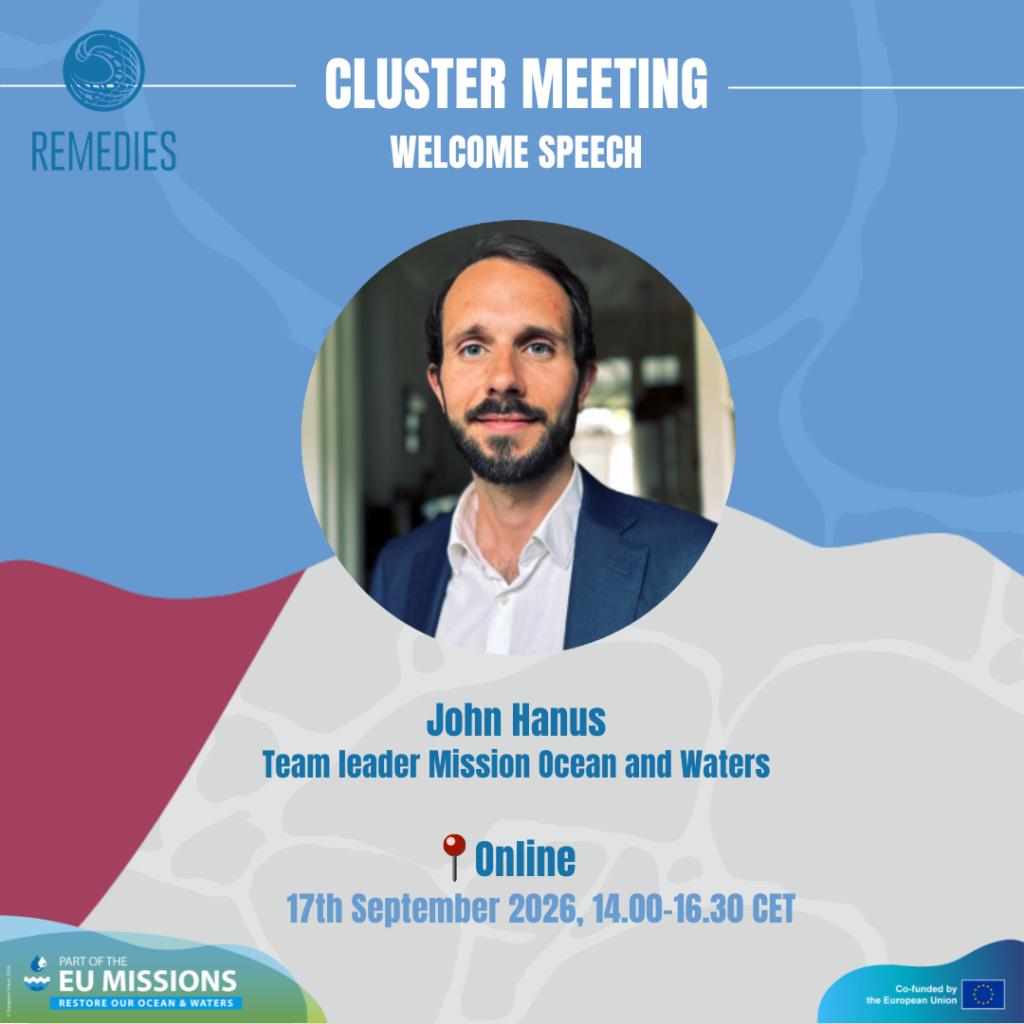
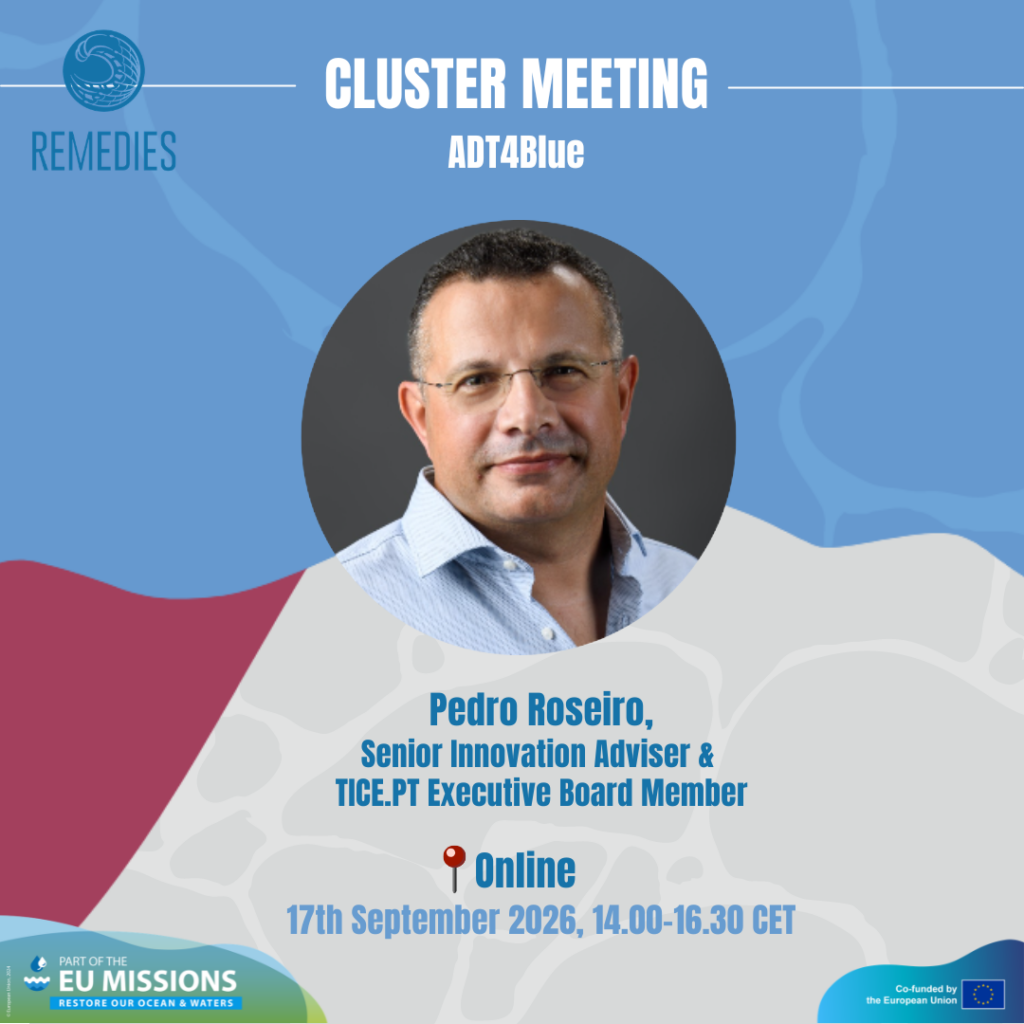
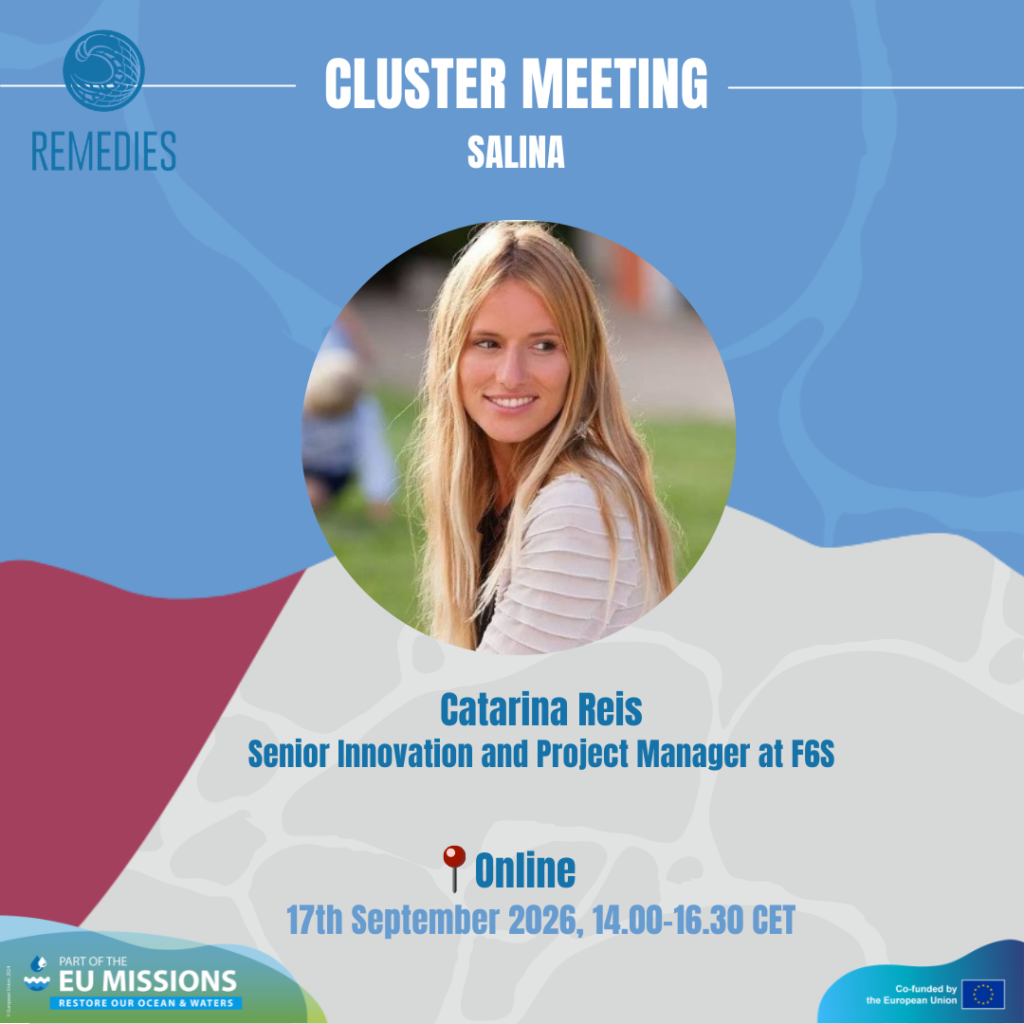
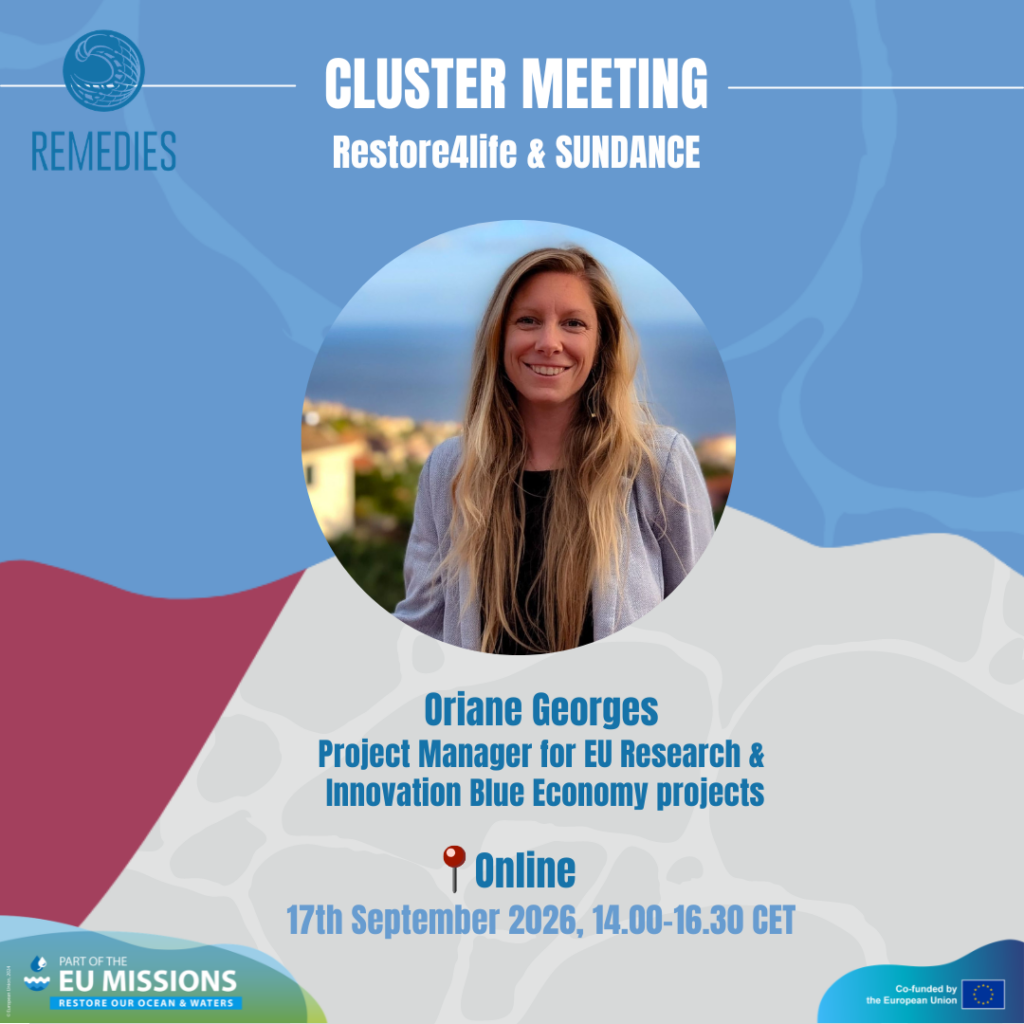
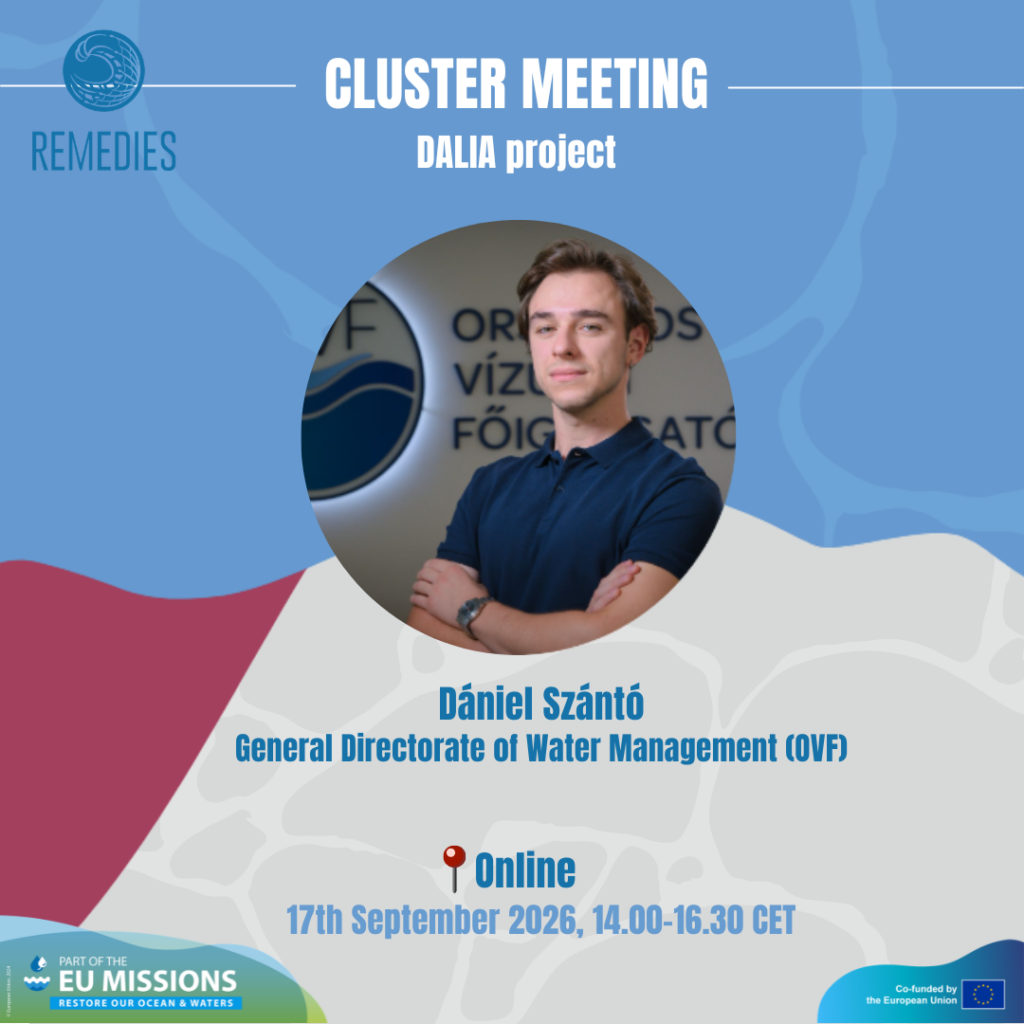
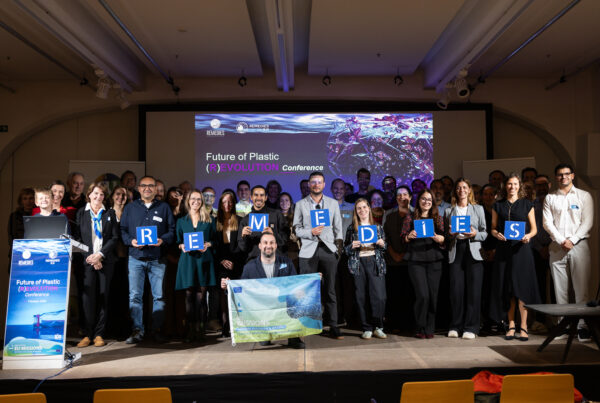
Speakers and project representatives featured during the 9th REMEDIES Cluster Meeting.
Project experiences from the field
A series of project presentations explored practical approaches to stakeholder engagement, innovation uptake and regional participation. Pedro Roseiro of TICE.PT presented ADT4Blue and shared lessons from supporting blue-economy entrepreneurship, including how open calls were adapted to attract stronger participation and how AI, data and digital technologies are being connected with real industry challenges. Catarina Reis of F6S introduced SALINA, highlighting its work on sustainable algae cultivation, multi-species production systems, digital monitoring, biorefinery pathways and environmental assessment across different European marine contexts.
Oriane Georges of F6S presented tools developed through Restore4Life to support wetland restoration and stakeholder dialogue, including a participatory “wetland fresco” method and an online decision-support hub combining restoration knowledge, data and user-oriented tools. Dániel Szántó of the General Directorate of Water Management (OVF) presented DALIA’s multi-actor approach across the Danube River Basin, focusing on consultation panels, peer learning, associated regions, face-to-face engagement and the need for flexibility when projects operate across different administrative and regulatory contexts.
Funding opportunities and pathways for replication
The meeting also included a focused segment on cascade funding and regional integration. Oriane Georges presented current and upcoming opportunities linked to SUNDANSE and TASC-RestoreMed, including funding for local and regional authorities and support for transition agendas. Participants were directed to the TASC-RestoreMed Community-Led Actions and Transition Agendas Development pages for further information, both of which were shared directly in the meeting chat.
Overcoming the friction points in engagement
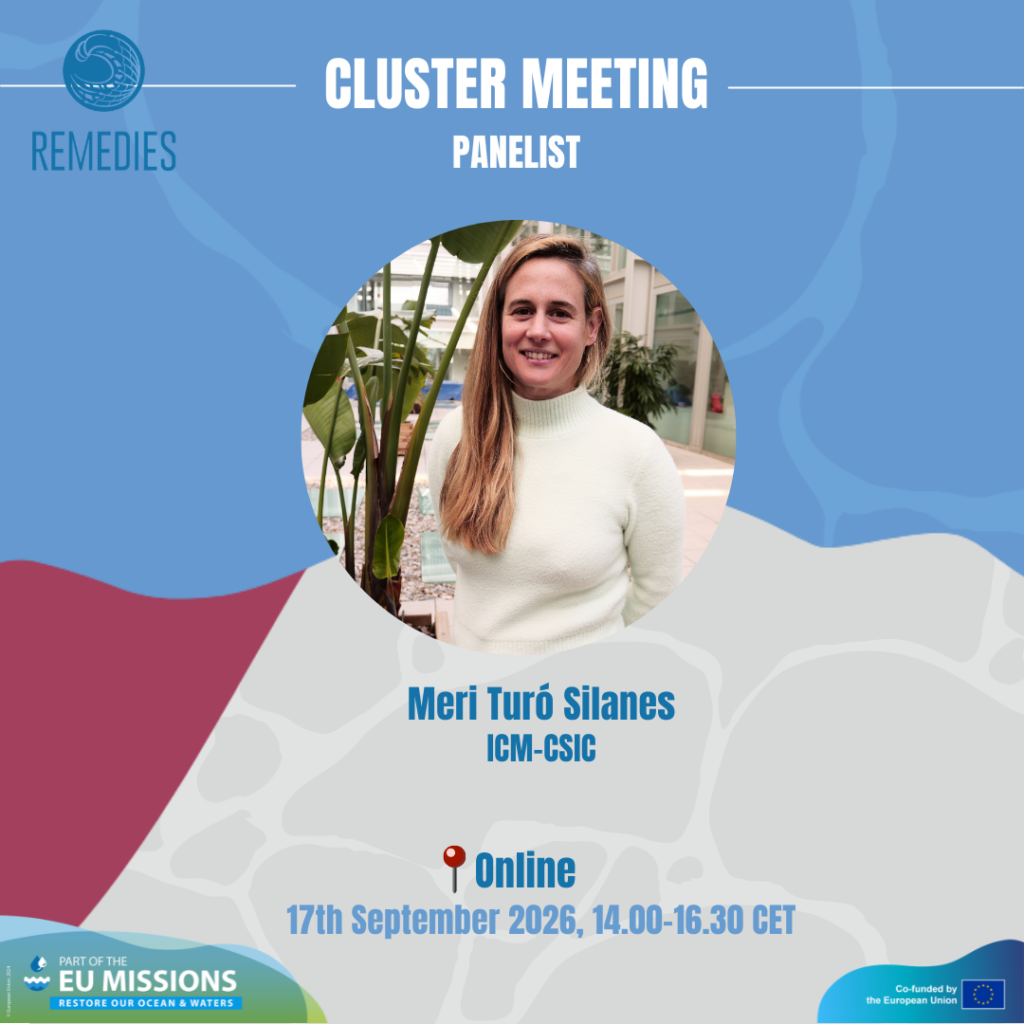
The final roundtable, moderated by Lina Silveira, brought together Eirini Apazoglou of EuroMarine Network and Meri Turó Silanes of ICM-CSIC. The discussion moved from project outputs to the practical realities of sustaining participation over time. It addressed the mismatch between research, municipal and citizen timelines, ways to maintain community momentum during delays, the importance of institutional memory and communities of practice, and the recurring challenge of stakeholder fatigue in smaller regions where the same local actors are repeatedly asked to participate in overlapping initiatives.
A recurring message was that long-term impact depends on giving different stakeholders useful value at the right time, combining short-term feedback and recognition with medium-term data and recommendations and longer-term scientific or policy results. The speakers also stressed the importance of in-person interaction, celebrating progress, coordinating engagement across projects and designing replication pathways that remain sensitive to local realities, especially in small islands and outermost regions.
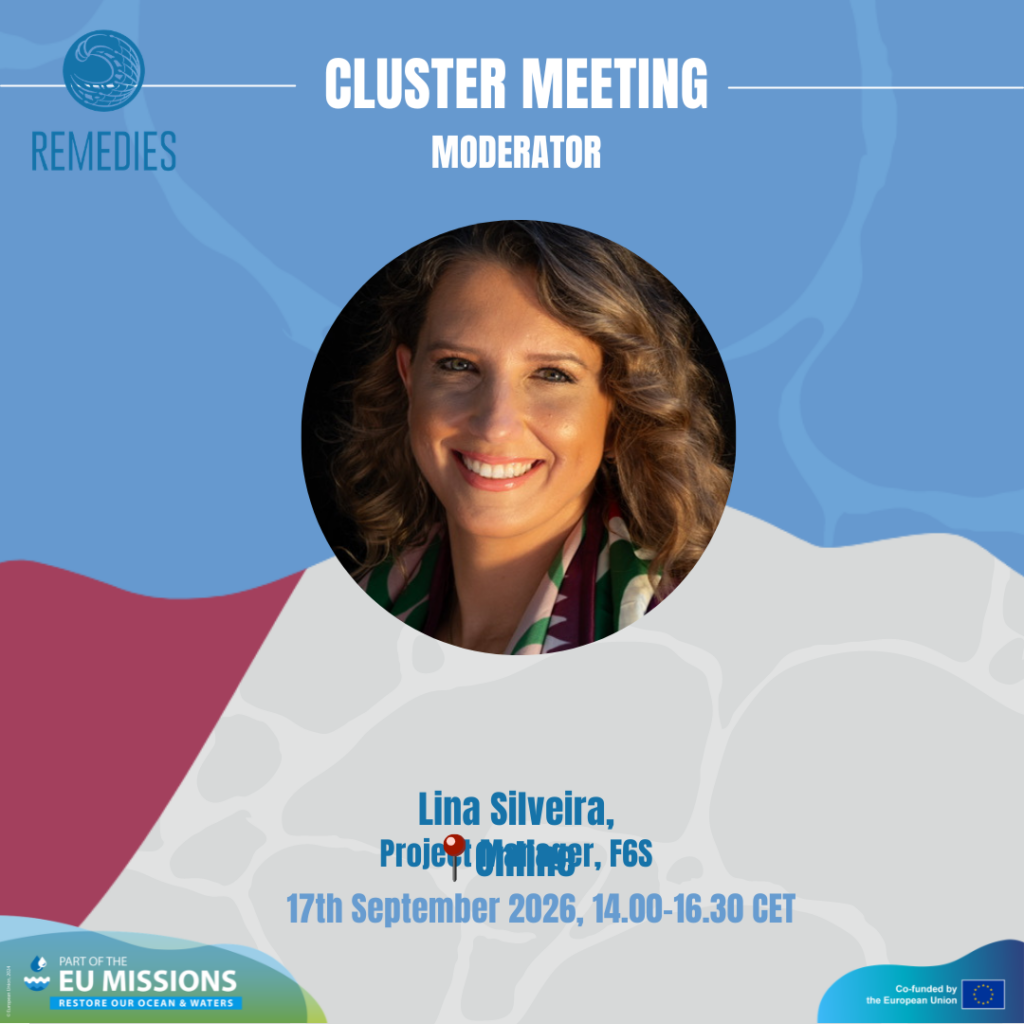
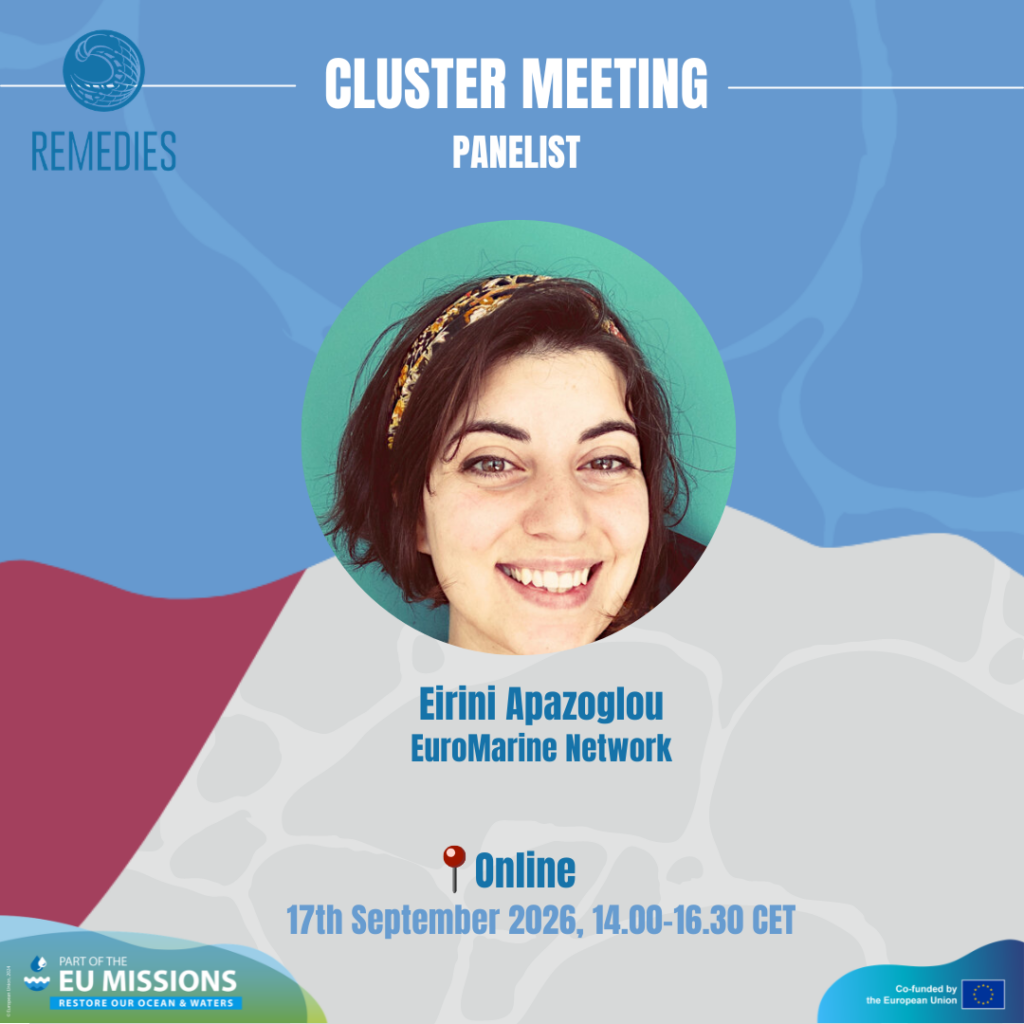
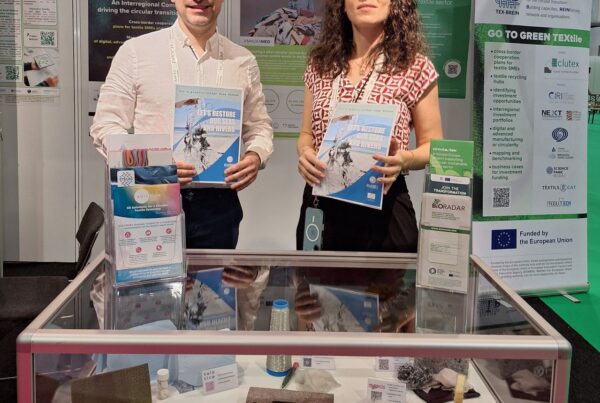
Roundtable moderator and panelists discussing stakeholder engagement, replication and long-term project legacy.
Continue the conversation
The 9th Cluster Meeting reinforced the role of REMEDIES Cluster Meetings as a practical space for cross-project learning, connection and collaboration across the EU Mission Ocean and Waters community. The discussion also looked ahead to the final REMEDIES Conference in Ljubljana on 7 October 2026. Find information on the final conference here.
Agenda
14:00 – 14:15 | Welcome & Opening Remarks
- Vesna Kuralt (NIC / REMEDIES Project Manager)
14:15 – 14:30 | EU Policy Insight: Mission Restore our Ocean and WatersStrategic overview of the global policy landscape and regional ecosystem expectations
Setting the goals for regional alignment, cross-project synergies, and systemic impact.
- John Hanus, Team leader Mission Ocean and Waters
14:30 – 14:45 | Project Feature: The REMEDIES Project
- Vesna Kuralt (NIC / REMEDIES Project Manager)
14:45 – 15:25 | Flash Presentations from synergy project on Stakeholder Engagement & Local Impact
Practical case studies on engaging local communities, managing multi-partner networks, and driving regional participation.
- Pedro Roseiro (ADT4Blue)
- Catarina Reis (SALINA)
- Oriane Georges (Restore4life) – Focusing on local/regional authority outreach for Open Calls & (SUNDANSE) – Strategies for engaging regional stakeholders.
- Daniel Szanto (DALIA)
- George Petihakis (TASC-RestoreMed)
15:25 – 15:40 | Upcoming Opportunities: Funding & International Missions
Deep-dive into cascade funding and regional integration mechanisms to boost external project applications.
Oriane Georges
- SUNDANSE: Open Call & International Mission
- TASC-RestoreMed: Open Call TAD
15:40 – 16:20 | Roundtable Discussion: Overcoming the Friction Points in Engagement
Theme: Facing the challenges of policy alignment, maintaining citizen momentum, and sharing good practices for lasting replication across the Mediterranean.
Moderation: Lina Silveira (F6S)
Panelists:
- Gotlenne Piaton CMMI-MEDCONNECT
- Eirini Apazoglou, EuroMarine Network
- Meri Turo, CSIC/PHAROS
- George Petihakis, HCMR/TASC-RestoreMed
16:20 – 16:30 | Closing remarks
Vesna Kuralt (NIC / REMEDIES Project Manager)